Alex Mashinsky to Pay Up to $35 Million in New York Celsius Case
Former Celsius Network CEO Alex Mashinsky faces up to $35 million in conditional payments under a settlement with New York Attorney General Letitia James. The agreement includes a permanent ban from the cryptocurrency industry and adds to the legal consequences following Celsius Network’s collapse, highlighting growing regulatory scrutiny of crypto lending platforms and investor protection.
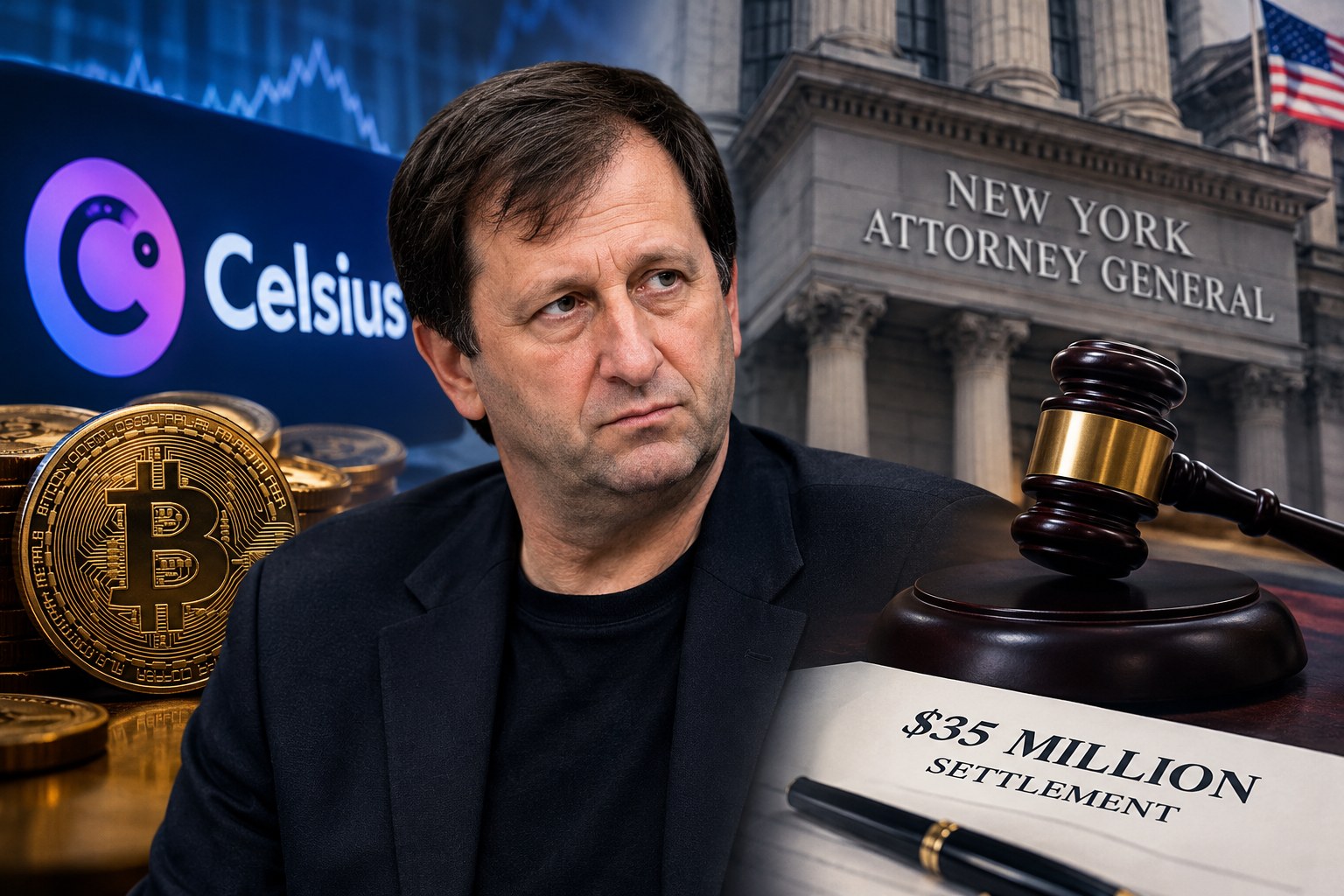
New York, October 9, 2026: Former Celsius Network CEO Alex Mashinsky is facing up to $35 million in potential payments under a settlement secured by New York Attorney General Letitia James. The agreement also permanently bars Mashinsky from participating in the securities, commodities, and cryptocurrency industries, marking another major development in the legal fallout from the Celsius Network collapse. "Source: New York Attorney General" (https://ag.ny.gov/press-release/2026/attorney-general-james-bans-former-cryptocurrency-ceo-who-defrauded-investors)
New York Settlement Could Reach $35 Million
According to the New York Attorney General’s office, the settlement contains conditions that determine how much Mashinsky must pay to New York. He must pay $25 million if he fails to forfeit $10 million in gains to the federal government under his criminal plea agreement. He must also pay an additional $10 million if he does not serve his full prison sentence.
These payments are conditional, meaning the full $35 million is not necessarily an immediate payment. The agreement forms part of the broader legal action against the former crypto executive over allegations involving misleading statements about Celsius and its handling of customer assets.
The case highlights how regulators are pursuing financial accountability alongside criminal penalties in the cryptocurrency industry.
Why Alex Mashinsky Faced Legal Action
New York Attorney General Letitia James filed a lawsuit against Mashinsky in 2023, accusing him of misleading investors about the safety and financial position of Celsius Network. According to the state’s allegations, the platform encouraged customers to deposit billions of dollars in digital assets while concealing risks associated with its investment activities.
The attorney general’s office said the case involved hundreds of thousands of investors, including more than 26,000 in New York. Regulators also alleged that Mashinsky failed to comply with certain registration requirements under state law.
The case became part of a wider regulatory examination of crypto lending platforms, particularly those that attracted customers by offering interest or rewards on cryptocurrency deposits.
Celsius Network Collapse and Investor Losses
Celsius Network became a prominent crypto lending platform by allowing users to deposit digital assets and earn rewards. However, the company suspended customer withdrawals in June 2022 amid severe market stress before filing for bankruptcy in July of that year.
The collapse raised questions about liquidity, risk management, transparency, and the use of customer funds across the crypto lending sector. Investors who had deposited Bitcoin and other digital assets faced uncertainty as the bankruptcy process unfolded.
The New York Attorney General’s office reported that more than $3.4 billion had been distributed to Celsius creditors by August 2026. While these distributions represent significant progress in the recovery process, the amount received by individual creditors depends on their claims and the bankruptcy proceedings.
Alex Mashinsky’s Criminal Case and Regulatory Consequences
Mashinsky pleaded guilty to commodities fraud and securities fraud in December 2024. In May 2025, a federal court sentenced him to 12 years in prison for fraud and market manipulation connected to Celsius.
The latest New York settlement adds another layer to the legal consequences facing the former CEO. Separate regulatory actions have also targeted Celsius and its executives, including proceedings involving the U.S. Commodity Futures Trading Commission and the Federal Trade Commission.
Together, these cases demonstrate that cryptocurrency businesses and their executives can face multiple forms of enforcement, including criminal prosecution, financial penalties, restrictions on future business activities, and investor recovery proceedings.
What the Settlement Means for the Crypto Industry
The Alex Mashinsky settlement carries implications beyond Celsius Network. Crypto lending platforms often operate across borders, serve customers in multiple jurisdictions, and handle assets that can move rapidly between wallets and trading venues. These characteristics can complicate oversight when a company faces liquidity problems or allegations of misleading customers.
For investors, the case reinforces the importance of examining how a crypto platform generates returns, manages liquidity, discloses risks, and protects customer assets. High advertised yields do not eliminate the possibility of losses, withdrawal restrictions, or bankruptcy.
For crypto companies, the settlement underscores the importance of transparent disclosures, appropriate registration, and responsible management of customer funds. Regulatory scrutiny is increasingly focused on whether platforms accurately describe their products and the risks customers assume.
Conclusion
The New York settlement involving Alex Mashinsky represents a significant development in the continuing legal aftermath of the Celsius Network bankruptcy. With potential payments of up to $35 million and a permanent industry ban, the agreement adds to the consequences arising from the former CEO’s conduct and criminal case.
Although creditor distributions have progressed, the Celsius collapse remains an important reminder of the risks associated with crypto lending. As enforcement actions continue, investor protection, financial transparency, and effective risk management are likely to remain central issues for the cryptocurrency industry.
Disclaimer: This article is for informational and educational purposes only and does not constitute financial, investment, or legal advice. Cryptocurrency markets involve significant risks, and readers should conduct their own research before making financial decisions.