Securitize Expands Into UAE With ADI Chain: Is Tokenized Finance Going Multichain?
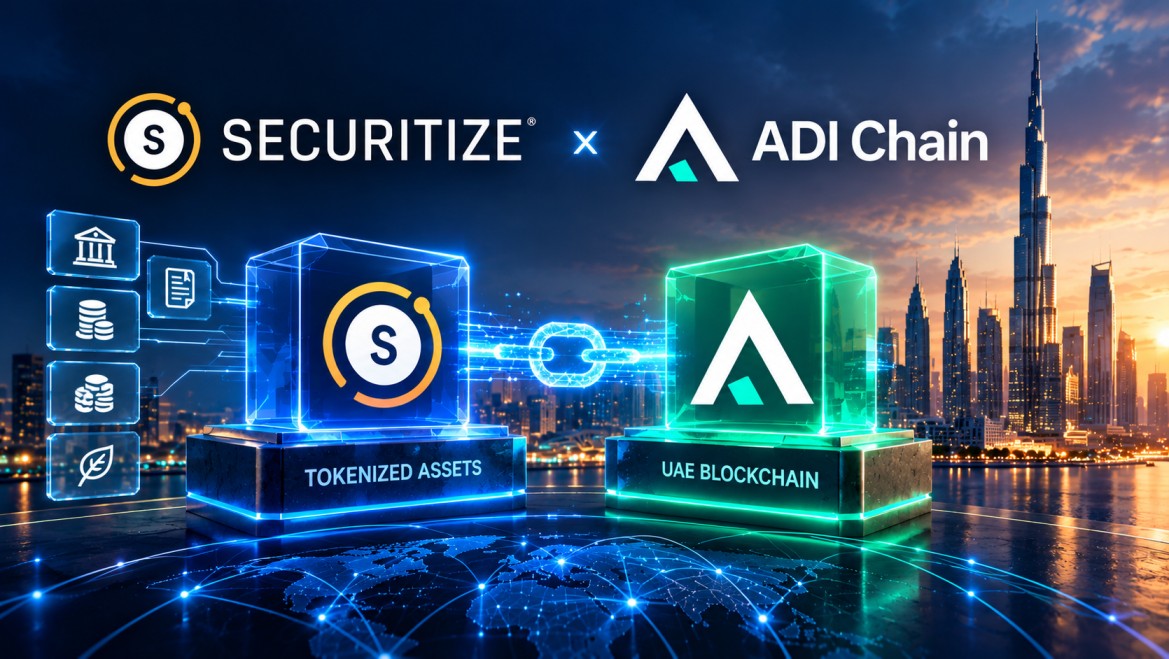
Securitize has integrated UAE-based ADI Chain into its tokenization infrastructure, adding another blockchain option for eligible tokenized financial products and expanding the multichain RWA ecosystem.
The tokenized asset market is becoming increasingly multichain, and Securitize's latest move in the UAE highlights how quickly institutional blockchain infrastructure is expanding.
Securitize has integrated ADI Chain into its tokenization infrastructure, allowing eligible tokenized financial products to potentially use the UAE-based network where product structures and regulatory requirements permit.
The development adds another blockchain to Securitize's growing infrastructure and strengthens the connection between real-world assets, stablecoins, payments and blockchain-based settlement
What Is ADI Chain?
ADI Chain is a blockchain network focused on financial applications including stablecoins, real-world assets, payments and settlement.
Its positioning makes it relevant to the growing institutional tokenization market, where financial companies are looking for blockchain infrastructure capable of supporting regulated digital assets.
However, the integration does not mean that every Securitize product will automatically become available on ADI Chain.
Individual products will still depend on their structure, investor eligibility and applicable regulatory requirements.
Why Is Securitize Adding More Blockchains?
The tokenization industry is moving beyond the idea that every financial asset needs to exist on a single blockchain.
Different institutions can have different requirements for liquidity, settlement, compliance and technical infrastructure.
By supporting multiple blockchain networks, tokenization platforms can potentially give financial products access to different ecosystems while maintaining the same underlying financial structure.
This approach could become increasingly important as institutional adoption of tokenized funds and securities grows.
UAE Is Becoming a Tokenization Hub
The UAE has been developing infrastructure around digital assets, stablecoins and blockchain-based financial services.
ADI Chain's focus on payments and tokenized assets fits into this broader development.
For global financial companies, the UAE can also provide a connection between international capital markets and the rapidly developing digital-asset ecosystem across the Middle East.
The Securitize integration therefore represents more than another blockchain connection. It shows how tokenization infrastructure is expanding geographically as well as technologically.
What Does This Mean for RWA Crypto?
Real-world asset tokenization has increasingly moved from experimental projects toward financial products such as tokenized funds, bonds and private-market investments.
But tokenization requires more than creating a digital representation of an asset.
Institutions also need custody, compliance, settlement, liquidity and reliable blockchain infrastructure.
Multichain platforms could help address these requirements by allowing eligible assets to operate across different blockchain ecosystems.
This could make RWA crypto increasingly connected to traditional financial markets rather than existing separately from them.
Could Tokenized Assets Become Multichain by Default?
Securitize's growing blockchain network suggests that the future of tokenized finance may not belong to one blockchain.
Instead, financial products could potentially be issued or distributed across several networks depending on their use case.
Ethereum, Solana, Avalanche, Sui and newer institutional-focused networks are already competing for tokenized asset activity.
The key question will be whether these networks can provide sufficient liquidity, security, interoperability and regulatory compatibility.
Final Thoughts
Securitize's integration with ADI Chain adds another important development to the expanding RWA tokenization ecosystem.
The move shows that institutional blockchain adoption is becoming increasingly multichain, with financial companies looking beyond a single network to build digital-asset infrastructure.
As tokenized funds, securities and payment systems continue to develop, interoperability between blockchain networks could become one of the most important parts of the next phase of institutional crypto adoption.
Disclaimer: This article is for informational and educational purposes only and does not constitute financial or investment advice. Tokenized assets and blockchain projects involve regulatory, liquidity, technology and market risks. Always conduct your own research before making any investment decision.