Why Iran May Choose Stablecoins Over Bitcoin to Collect Strait of Hormuz Tolls
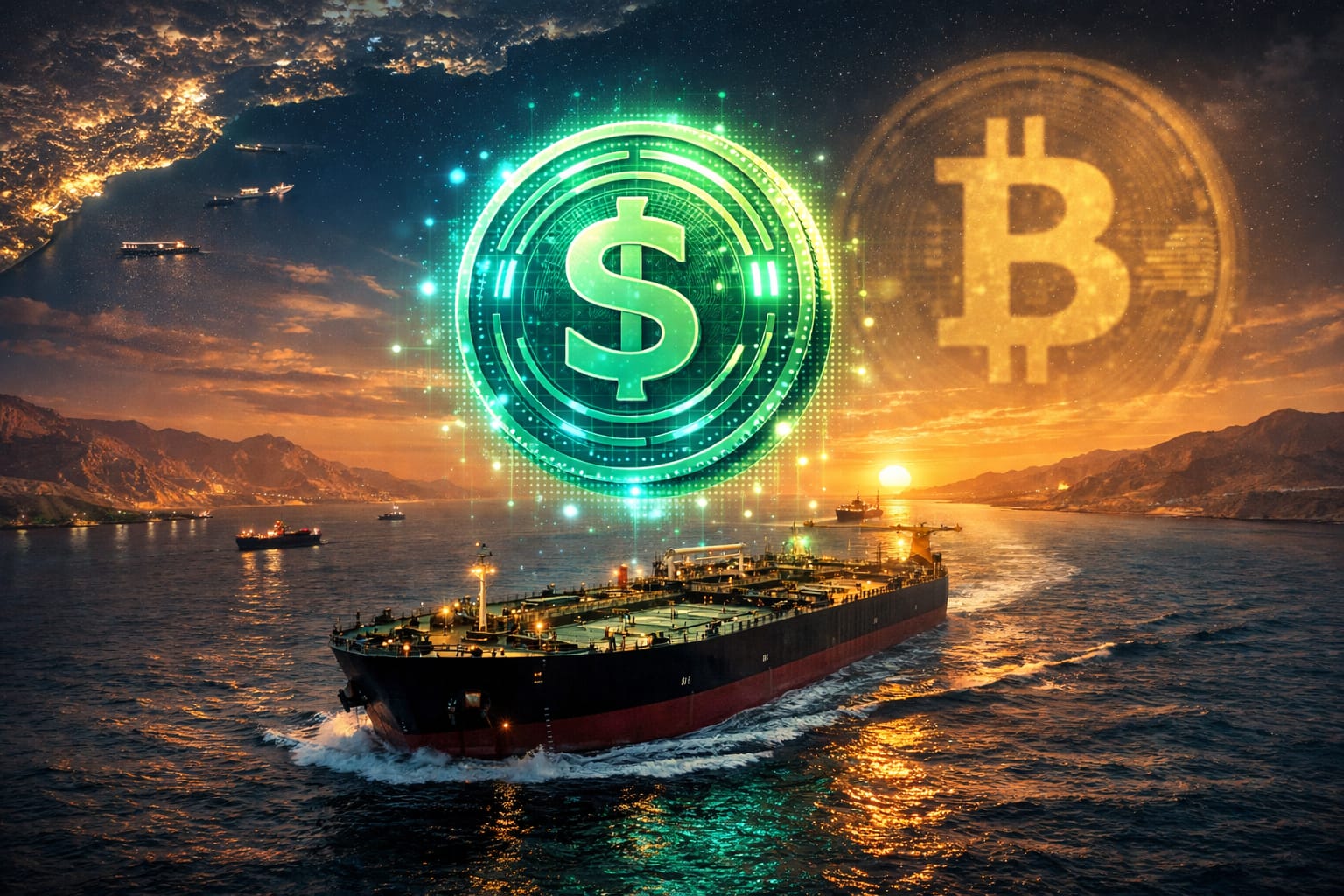
Iran may prefer stablecoins over Bitcoin for collecting Strait of Hormuz tolls due to their price stability and reliability. Stablecoins offer faster transactions, better liquidity, and easier integration into global trade systems. While Bitcoin provides decentralization, its volatility makes it less practical for large-scale financial operations.
Key Points
Stablecoins offer consistent value, making them suitable for fixed toll payments.
They provide better integration with global trade and faster transactions.
Bitcoin’s volatility limits its effectiveness for large-scale financial operations.
Iran’s reported plan to collect transit fees in cryptocurrency for ships passing through the Strait of Hormuz has sparked a growing debate over which digital asset would be most practical. While Bitcoin is often seen as the leading cryptocurrency, stablecoins may offer more strategic advantages for such a large-scale and sensitive economic operation.
Stable Value Makes Stablecoins More Practical
One of the biggest factors behind this preference is stability. Bitcoin is known for its price volatility, which can fluctuate significantly within short periods. For a country dealing with oil-linked payments and fixed toll charges, such fluctuations could result in unpredictable revenue. Stablecoins, on the other hand, are typically pegged to the U.S. dollar, allowing Iran to collect payments with consistent value. This stability makes financial planning and international trade far more efficient.
Better Integration With Global Trade
Another key reason lies in usability within global trade. Stablecoins are widely used for cross-border transactions and settlements, especially in regions facing financial restrictions. Iran’s objective is not only to collect tolls but also to use those funds in global markets. Stablecoins provide a smoother bridge between crypto and real-world commerce, whereas Bitcoin is often treated more as a store of value rather than a medium of exchange.
Faster Transactions and Higher Liquidity
Speed and liquidity also play an important role. Stablecoins dominate transaction volumes in the crypto market and are known for faster settlements and easier conversion into other assets or fiat equivalents. For a system potentially handling millions of dollars in daily transactions, efficiency becomes critical. Stablecoins are better equipped to handle such scale without exposing the country to additional risks.
Role in Sanctions Evasion Strategy
Sanctions are another major factor influencing this strategy. Iran has long explored alternative financial systems to bypass restrictions on its access to global banking networks. Cryptocurrencies provide one such route, but stablecoins offer a more practical solution due to their widespread acceptance and predictable value. They enable faster and more reliable cross-border payments compared to traditional methods.
Why Bitcoin May Not Be Ideal Here
That said, Bitcoin still holds certain advantages. Its decentralized nature makes it harder to control or censor, and it does not rely on any central issuer. However, these benefits may not outweigh its drawbacks in this specific use case. The volatility of Bitcoin and its limited role in everyday trade make it less suitable for structured, high-volume transactions like maritime toll collection.
The Trade-Off: Control vs Practicality
There is also a trade-off to consider. Stablecoins can be subject to control by their issuers, including the possibility of freezing funds or blacklisting addresses. Despite this risk, their practicality in real-world financial operations often makes them the preferred option for governments and institutions operating under constraints.
Conclusion
In conclusion, while Bitcoin remains a powerful and decentralized asset, stablecoins appear to be a more practical choice for Iran when it comes to collecting Strait of Hormuz tolls. Their stability, liquidity, and compatibility with global trade systems make them better suited for large-scale economic activities, especially in a complex geopolitical environment.
FAQs
1. Why would Iran use cryptocurrency for toll collection?
Iran may use crypto to bypass traditional banking systems and avoid restrictions caused by international sanctions.
2. Why are stablecoins preferred over Bitcoin in this case?
Stablecoins provide price stability and are easier to use in global trade compared to Bitcoin.
3. Does Bitcoin have any advantage over stablecoins?
Yes, Bitcoin is more decentralized and resistant to censorship, but it is less practical for stable transactions.
4. What risk comes with using stablecoins?
Stablecoins can be controlled by issuers, which means funds could potentially be frozen or restricted.
Disclaimer: This article is for informational purposes only and does not constitute financial or geopolitical advice.