
CLARITY Act Stalls as Trump-Era SEC Could Move Faster on New Crypto Rules
The ongoing delay around the CLARITY Act could give the U.S. Securities and Exchange Commission greater room to shape crypto policy through its own regulatory initiatives. As lawmakers continue working toward a broader digital-asset market structure framework, the SEC may move ahead with measures designed to provide clearer rules for crypto businesses and token issuers. The developments could become an important turning point for U.S. cryptocurrency regulation, with both Congress and the SEC potentially influencing how the digital-asset industry operates going forward.
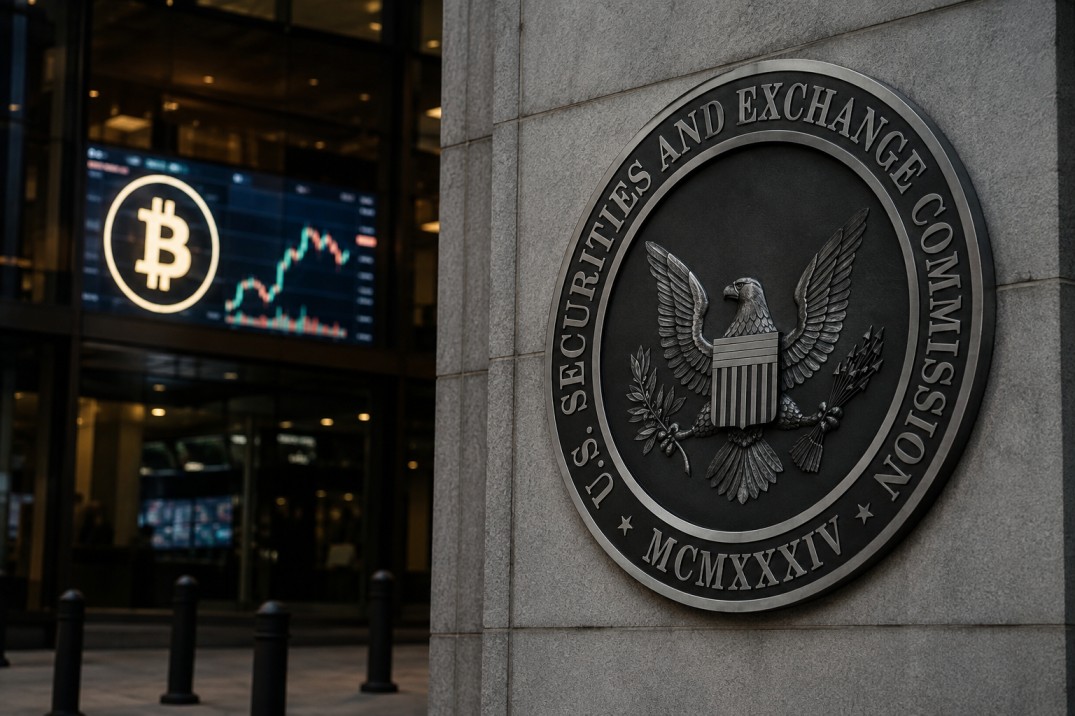
The U.S. cryptocurrency industry is entering another important phase of regulatory uncertainty as the CLARITY Act faces delays in the Senate, while the Securities and Exchange Commission (SEC) prepares to advance its own crypto-related regulatory agenda.
The delay has created a new possibility for the SEC to move faster on cryptocurrency regulation before Congress completes a comprehensive market-structure law. Recent reports indicate that the SEC is scheduled to consider proposals under its so-called “Regulation Crypto” initiative on August 14, potentially giving the agency a more immediate role in shaping rules for digital-asset fundraising and token markets.
CLARITY Act Faces Another Delay
The Digital Asset Market CLARITY Act, commonly known as the CLARITY Act, is designed to establish a clearer regulatory framework for digital assets in the United States. The legislation seeks to define the respective responsibilities of the SEC and the Commodity Futures Trading Commission (CFTC), reducing the uncertainty that has surrounded cryptocurrency businesses for years.
The House version of the legislation advanced in 2025, while the Senate has continued negotiating its own version. In May 2026, Senate Banking Committee leaders released updated market-structure legislation after negotiations with lawmakers and input from regulators, financial institutions, innovators and consumer advocates.
However, the Senate left Washington for its August recess without completing a floor vote. The legislation is now expected to receive renewed attention in September, keeping the timeline for comprehensive U.S. crypto legislation uncertain.
That delay matters because the crypto industry has been waiting for legislation that could provide long-term certainty over digital asset classification, SEC jurisdiction, CFTC oversight and market structure.
SEC Could Move Before Congress
While lawmakers continue working on the CLARITY Act, the SEC appears increasingly willing to use its existing authority to address parts of the regulatory gap.
Under Chairman Paul Atkins, the agency has already taken steps toward providing greater clarity for digital assets. In March, the SEC issued an interpretation explaining how federal securities laws apply to certain crypto assets and transactions. The agency said the move was intended to provide clearer regulatory boundaries while Congress worked on broader legislation.
The SEC's latest initiative could go further.
Reports indicate that commissioners are preparing to consider a proposal covering certain crypto fundraising activities, potentially creating exemptions or alternative pathways for businesses that currently face significant securities-law compliance requirements.
This does not mean the SEC can simply replace the CLARITY Act. Congressional legislation would provide a statutory framework with much broader and more durable authority. But regulatory action from the SEC could influence the crypto market well before Congress reaches a final agreement.
What Regulation Crypto Could Mean for Crypto Companies
One of the biggest issues for cryptocurrency companies has been determining whether a particular token, fundraising activity or transaction falls under U.S. securities laws.
A more flexible SEC framework could potentially reduce some of those barriers for early-stage blockchain projects and digital-asset companies.
Current reports suggest the SEC's proposal could include exemptions for smaller fundraising activities, including a potential startup exemption involving amounts of up to $5 million over four years and a larger fundraising exemption of up to $75 million within a year. These figures are part of the reported proposal and could change during the SEC's rulemaking process.
For crypto startups, exchanges, token issuers and blockchain developers, such changes could significantly affect how projects approach token launches, fundraising and regulatory compliance.
However, any SEC rulemaking would still need to operate within existing federal securities laws. That means the agency's approach could face legal and political challenges, particularly if critics argue that certain changes require Congress rather than regulatory interpretation.
Why the CLARITY Act Still Matters
Despite the SEC's potential moves, the CLARITY Act remains important because it could establish a comprehensive framework rather than relying primarily on agency interpretation.
The legislation is intended to create clearer boundaries between the SEC and CFTC and establish rules around digital commodities and other digital assets. The Senate version's stated purpose is to create a regulatory system for the offering and sale of digital commodities while defining the responsibilities of the two federal regulators.
For the cryptocurrency industry, that distinction is critical.
A permanent law could provide businesses with greater certainty about which regulator has jurisdiction over particular assets and activities. It could also reduce the possibility that future administrations dramatically change the regulatory environment through agency policy.
In contrast, SEC rulemaking can provide faster relief but remains subject to the agency's legal authority, future policy changes and potential court challenges.
What It Means for Bitcoin and the Broader Crypto Market
The regulatory developments could also influence Bitcoin, Ethereum and the wider cryptocurrency market.
Regulatory clarity is generally viewed as an important factor for institutional participation. Large financial institutions are more likely to enter markets when legal responsibilities, custody requirements and asset classifications are easier to understand.
The SEC's March interpretation already represented a significant attempt to clarify the treatment of crypto assets, including digital commodities, stablecoins, digital collectibles, digital tools and digital securities.
If the SEC continues moving toward clearer rules while Congress works on the CLARITY Act, the United States could gradually shift from an enforcement-focused approach toward a more defined regulatory framework.
That could benefit legitimate crypto businesses, although it would not eliminate compliance requirements or market risks.
September Could Become a Critical Month for U.S. Crypto Regulation
The next major test will be whether Senate lawmakers can make meaningful progress on the CLARITY Act when Congress returns.
The legislation has already passed several important stages, but reaching the Senate floor and securing enough support remain significant hurdles. At the same time, the SEC's regulatory agenda could advance independently.
This creates an unusual situation: Congress may be working on the long-term framework while the SEC moves ahead with shorter-term regulatory changes.
For investors and crypto companies, the distinction is important. SEC proposals can influence the market sooner, but the CLARITY Act could ultimately determine the broader legal structure governing digital assets in the United States.
Final Outlook
The delay surrounding the CLARITY Act does not necessarily mean U.S. crypto legislation is dead. Instead, it has created more room for the SEC to shape policy while Congress continues negotiations.
If the SEC advances its Regulation Crypto proposals, the agency could provide cryptocurrency businesses with new regulatory pathways before Congress delivers a comprehensive market-structure law.
Still, industry participants are likely to watch the September legislative calendar closely. The long-term question is whether the United States will establish a durable crypto regulatory framework through Congress, or whether a larger portion of digital-asset policy will continue to develop through SEC and CFTC actions.
For now, the CLARITY Act remains one of the most important pieces of legislation for the future of U.S. crypto regulation, while the SEC's next moves could determine how quickly the industry sees changes on the ground.