Apple and Tesla Are Being Tokenized... Here's How It Works
Tokenized Apple and Tesla shares represent real stocks as blockchain-based tokens, enabling 24/7 trading, fractional ownership, and DeFi integration. While promising greater accessibility and innovation in finance, they carry regulatory, custody, and smart contract risks.
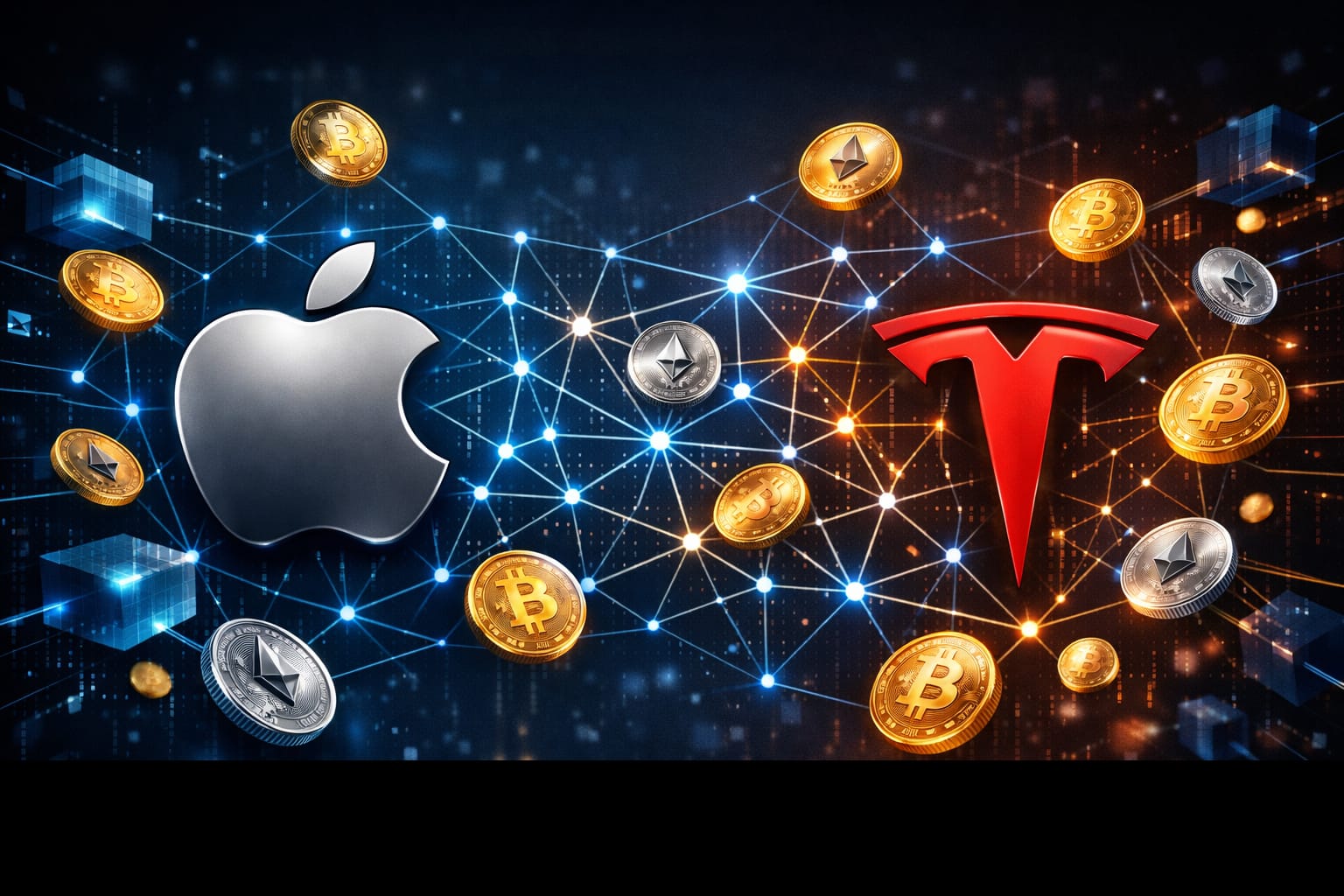
I'll be honest—when I first heard you could buy "tokenized" Apple and Tesla shares on blockchain, I thought it sounded like another sketchy crypto gimmick. But after digging into how this works, I realized we might be watching something genuinely transformative happen to traditional finance.
What Does "Tokenizing" a Stock Mean?
Tokenization takes a real-world asset—like a share of Apple stock—and represents it as a digital token on blockchain. Think of it like converting a physical dollar into a digital one in your bank account. Same value, different form.
When Apple or Tesla gets tokenized, companies create blockchain tokens backed 1:1 by actual shares. Buy one tokenized AAPL token, and a real Apple share is held in custody backing it up.
It's not some made-up crypto coin. It's a digital wrapper around a real, regulated stock.
How the Tokenization Process Works
Custody: A regulated custodian (usually a bank or financial institution) purchases and holds actual Apple or Tesla shares. Real shares traded on NASDAQ.
Tokenization: The custodian works with a tokenization platform to create digital tokens on blockchain—usually Ethereum. Each token represents ownership of one share or a fraction.
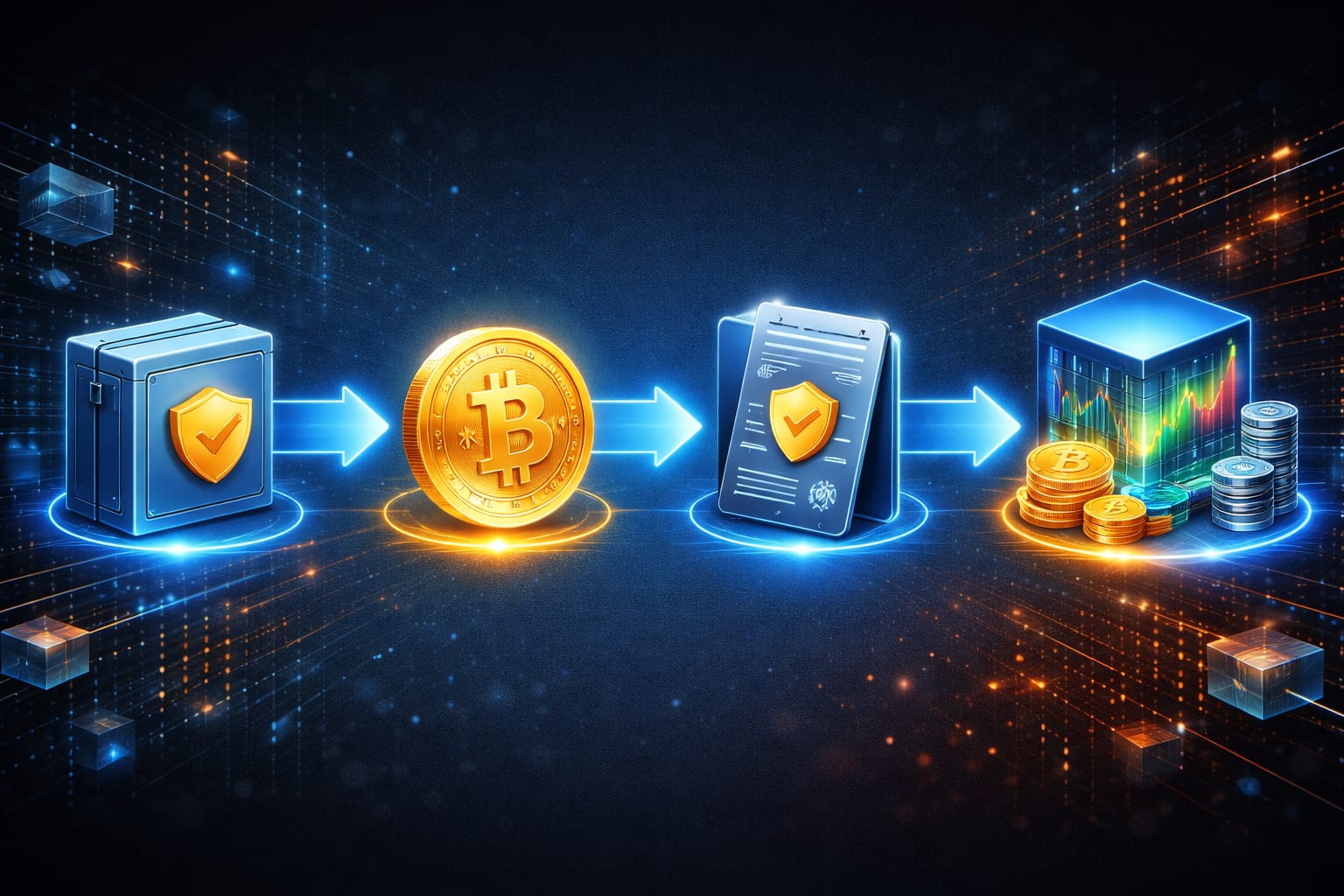
Smart Contract Creation: A smart contract manages these tokens, handling transfers, enforcing rules, and maintaining the peg to the underlying asset.
Trading: Tokenized shares trade 24/7 on crypto exchanges or DeFi platforms, moving across borders instantly.
Everything is backed by real assets. There's actual Apple stock sitting in a vault backing every token.
Why Anyone Would Want Tokenized Stocks
24/7 Trading: Stock markets close at 4 PM. Tokenized stocks trade 24/7. Breaking Tesla news at midnight? You can act on it immediately.
Fractional Ownership: Tesla costs around $250 per share. Tokenized shares divide into tiny fractions—you could own $10 worth if that's what you afford.
Global Access: For people in countries where opening US brokerage accounts is impossible, tokenized stocks remove barriers. Internet and crypto wallet? You're in.
Instant Settlement: Traditional trades take two days to settle. Tokenized stocks settle instantly on blockchain.
DeFi Integration: Use tokenized stocks as collateral for loans, provide liquidity in protocols, or include them in automated strategies. Try that with regular stocks.
The Real Risks
Regulatory Uncertainty: The SEC isn't thrilled about securities trading outside their jurisdiction. Some platforms have been shut down. This space is finding its regulatory footing.
Custodian Risk: You're trusting the custodian actually owns underlying shares. If they go bankrupt or act fraudulently, your tokens could become worthless.
Smart Contract Vulnerabilities: The code could have bugs. DeFi protocols have lost hundreds of millions to exploits. Your tokenized shares are only as secure as the smart contract.
Liquidity Issues: Smaller tokenized assets might be hard to sell quickly without moving prices significantly.
Tax Complexity: How are these taxed? As securities? Crypto? Many tax authorities haven't figured this out yet.
Who's Actually Doing This?
Several platforms offer tokenized stocks. Some focus on compliance, working within regulatory frameworks. Others operate in gray areas without proper licensing and tend to get shut down eventually.
Legitimate players partner with regulated brokers and custodians, obtain necessary licenses, and restrict access based on jurisdiction.
Traditional finance is also interested. Some brokerages are experimenting with blockchain settlement. Banks are exploring tokenization for internal processes. This isn't just a crypto thing anymore.
What This Means for the Future
Tokenization of real-world assets—stocks, bonds, real estate—is one of the most important developments in finance right now.
It's not replacing the stock market. It's making financial assets more accessible, liquid, and programmable. The stock market has worked the same way for decades. Tokenization introduces competition and innovation.
Will Apple and Tesla trade primarily on blockchain soon? Probably not. Traditional markets aren't going anywhere.
But for people wanting 24/7 access, fractional ownership, or ability to use stocks in DeFi, tokenization offers something genuinely new. It's bridging traditional finance and crypto in ways that could benefit both.
The Bottom Line
Tokenized stocks aren't a replacement for regular brokerage accounts, at least not yet. The regulatory uncertainty and risks are real. But they're a glimpse into how financial markets might work in the future.
Can you buy a Tesla fraction at 2 AM from anywhere and use it as loan collateral minutes later? With tokenization, yes. Try that with traditional stocks.
Is it worth the risks? That depends on your situation, risk tolerance, and why you want these assets. For most people, regular brokerages remain safer.
But watch this space. Tokenization of real-world assets is just getting started, and it's reshaping finance whether traditional institutions like it or not.
Disclaimer: This article is for informational purposes only and not investment advice. Tokenized securities involve significant risks. Always do your own research.