What Is Blockchain Technology? A Beginner-Friendly Explanation
Blockchain technology is the foundation of cryptocurrencies and Web3. This article explains what blockchain is, how it works, and why it matters for decentralized finance, digital ownership, and the future of the internet.
Blockchain technology has become a foundational pillar of the crypto and Web3 ecosystem. Initially introduced as the infrastructure behind Bitcoin, blockchain has evolved into a broader technology powering decentralized finance (DeFi), NFTs, Web3 applications, and digital ownership models.
This article explains what blockchain technology is, how it works, and why it matters for the future of crypto and Web3, in a clear and practical way.
What Is Blockchain Technology?
Blockchain technology is a decentralized digital ledger that records transactions and data across a distributed network of computers. Unlike traditional databases controlled by a single authority, blockchain operates without centralized control.
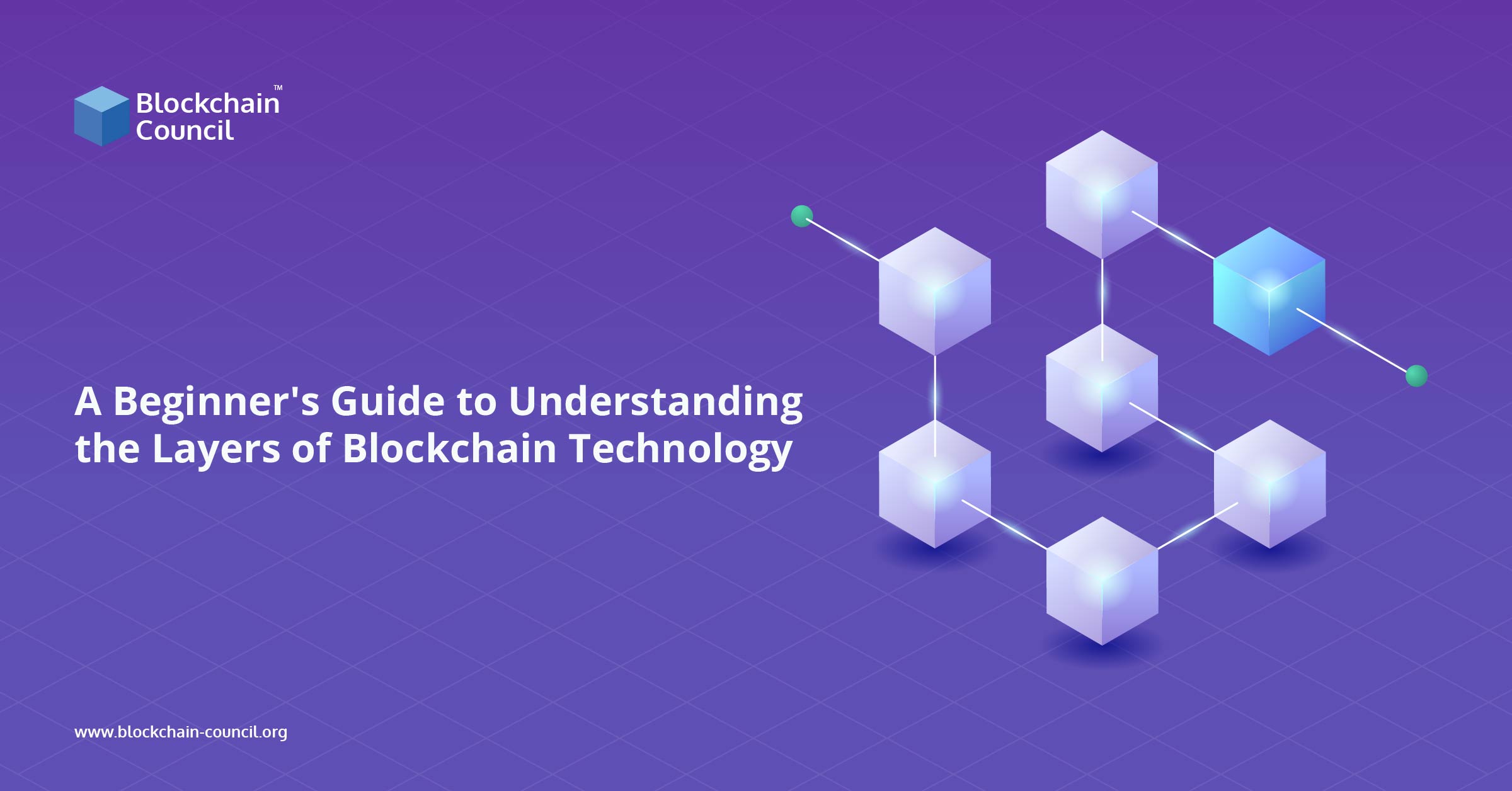
Each transaction is stored in a block, and once verified, that block is permanently linked to previous blocks—forming a chain of records that cannot be altered retroactively.
In the crypto world, blockchain enables trustless systems, meaning users can transact directly without relying on intermediaries like banks or payment processors.
How Blockchain Works in Crypto Networks
From a crypto and Web3 standpoint, blockchain follows this process:
A transaction is initiated
For example, transferring cryptocurrency or interacting with a smart contract.The transaction is broadcast to the network
Nodes receive the transaction request.Consensus mechanism validates the transaction
Depending on the blockchain, this could involve Proof of Work or Proof of Stake.The transaction is added to a block
Verified transactions are grouped together.The block is added to the blockchain
The data becomes immutable and publicly verifiable.
This system ensures transparency, security, and decentralization—core principles of Web3.
Why Blockchain Is Critical to Web3
Web3 aims to create a decentralized internet where users control their assets, identity, and data. Blockchain technology enables this shift by providing:
Permissionless access – anyone can participate
Trustless execution – no central authority required
On-chain transparency – verifiable public records
Censorship resistance – reduced control by single entities
Without blockchain, Web3 applications would not be able to operate independently of centralized platforms.
Key Blockchain Features for Crypto Users
Decentralization
Control is distributed across a global network of nodes, reducing systemic risk.
Security
Cryptographic hashing and consensus mechanisms protect transaction integrity.
Immutability
Once recorded, blockchain data cannot be changed, supporting auditability.
Transparency
Public blockchains allow anyone to verify transactions on-chain.
Blockchain Use Cases in the Crypto & Web3 Ecosystem
Blockchain powers several key crypto and Web3 innovations:
🔹 Cryptocurrencies
Enable peer-to-peer digital value transfer without intermediaries.
🔹 Decentralized Finance (DeFi)
Supports lending, borrowing, and trading via smart contracts.
🔹 NFTs and Digital Ownership
Provides verifiable ownership of digital assets.
🔹 DAOs
Enables decentralized governance through on-chain voting.
🔹 Web3 Applications
Supports decentralized apps (dApps) that run without central servers.
Challenges and Limitations
Despite its potential, blockchain still faces challenges:
Scalability constraints
Regulatory uncertainty
User experience complexity
Energy concerns (for some networks)
Ongoing innovation aims to address these issues through Layer 2 solutions and improved consensus models.
Why Blockchain Matters for the Future of Crypto
Blockchain technology is more than a technical framework—it represents a shift toward open financial systems, digital sovereignty, and decentralized governance.
As Web3 adoption increases, blockchain is expected to play a central role in:
Global payments
Digital identity
Creator economies
Decentralized infrastructure
Final Takeaway
Blockchain technology underpins the entire crypto and Web3 ecosystem. By enabling decentralized, transparent, and secure systems, it challenges traditional models of finance and data ownership. Understanding blockchain is essential for anyone following the evolution of cryptocurrencies, Web3 platforms, and the future of the internet.
Disclaimer: This article is for informational purposes only and does not constitute financial or investment advice.