
xAI Challenges Colorado AI Law, Sparking Debate Over Chatbot Free Speech
xAI has challenged a Colorado law that restricts how AI chatbots communicate, raising concerns over free speech and innovation. The case could set a major precedent for how artificial intelligence is regulated across the United States.
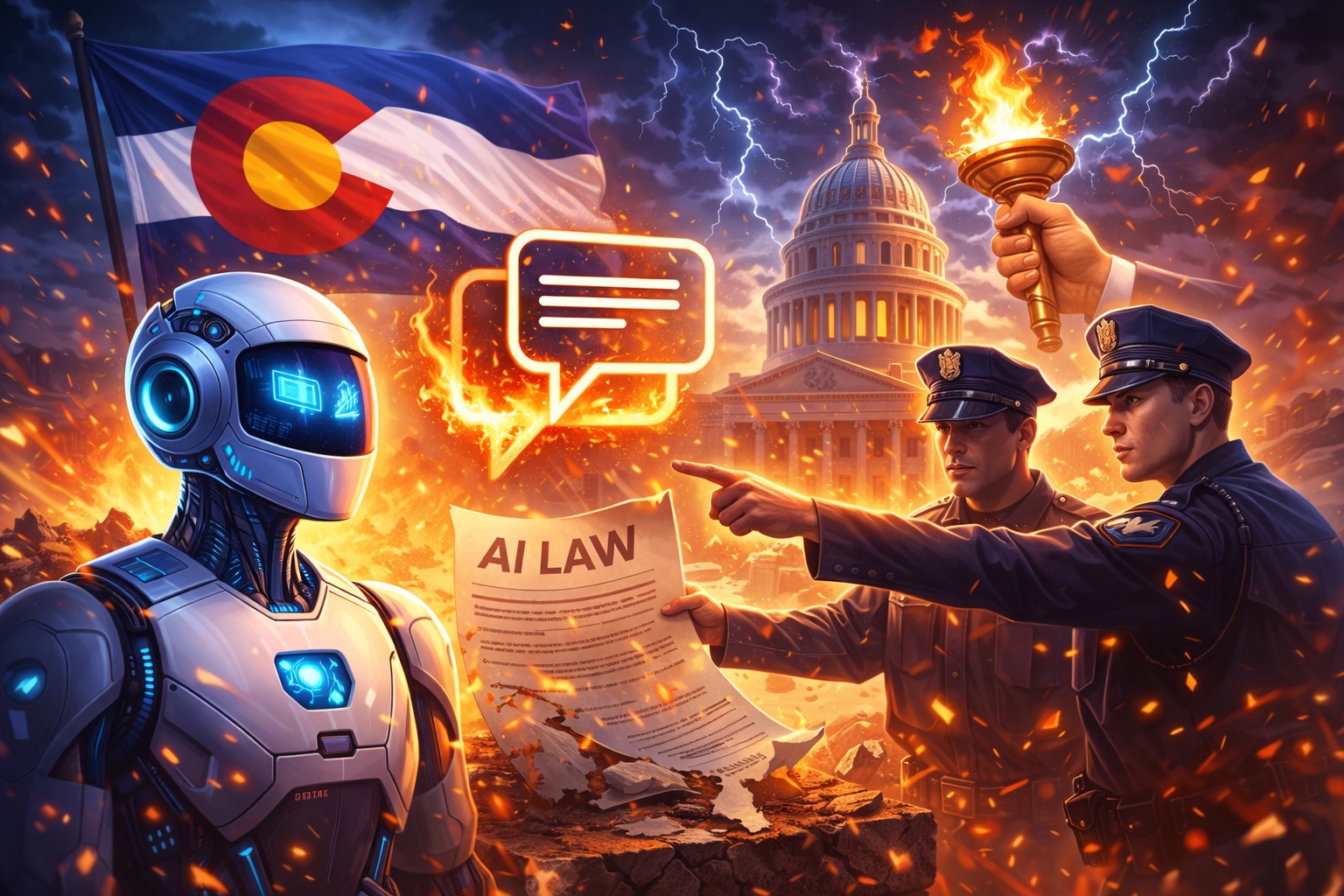
xAI, the artificial intelligence startup founded by Elon Musk, has reportedly challenged a new law in the U.S. state of Colorado that places restrictions on how AI chatbots communicate with users. The move marks a growing clash between tech innovation and government regulation in the rapidly evolving AI sector.
Key Points
xAI has challenged a Colorado law regulating AI chatbot speech.
The company argues the law could limit innovation and free expression.
The case may set a major precedent for AI regulation in the U.S.
Legal Battle Over AI Speech
The dispute centers around a recently introduced Colorado law that aims to regulate AI-generated content, particularly chatbot interactions. The legislation is designed to prevent misleading or harmful outputs by requiring stricter controls on how AI systems present information.
However, xAI argues that such restrictions could limit free expression and hinder technological progress. The company claims that imposing rigid rules on chatbot communication may violate constitutional protections around speech and innovation.
xAI’s Position on AI Freedom
xAI’s challenge reflects a broader philosophy promoted by Elon Musk, emphasizing open development and reduced regulatory barriers for artificial intelligence. The company believes that overly restrictive laws could slow down advancements and reduce the competitiveness of U.S.-based AI firms.
According to the argument, AI chatbots should be allowed to evolve with minimal interference, while still maintaining basic safety standards.
Growing Tension Between Innovation and Regulation
The case highlights increasing tensions between policymakers and tech companies. Governments worldwide are attempting to implement safeguards to address risks such as misinformation, bias, and misuse of AI systems.
At the same time, companies like xAI warn that excessive regulation could:
Limit innovation
Increase compliance costs
Push development to less regulated regions
What This Means for the AI Industry
This legal challenge could set an important precedent for how AI technologies are governed in the United States. If xAI succeeds, it may encourage a more flexible regulatory approach. Conversely, if the law is upheld, it could pave the way for stricter oversight of AI chatbots across other states.
Outlook
As artificial intelligence continues to integrate into everyday life, the balance between safety and innovation remains a key issue. The outcome of this challenge could shape the future of AI regulation and influence how companies build and deploy chatbot technologies.
FAQs
1. What is xAI?
xAI is an artificial intelligence company founded by Elon Musk, focused on developing advanced AI systems.
2. What does the Colorado law aim to do?
It seeks to regulate AI chatbot communication to prevent harmful or misleading content.
3. Why is xAI opposing the law?
The company believes the restrictions could limit free speech and slow innovation.
4. What could be the impact of this case?
The outcome may influence future AI regulations and how chatbot technologies are governed globally.
Disclaimer: This article is for informational purposes only and does not constitute legal or financial advice.