Oil Prices Stay Under Pressure as Hormuz Strait Negotiations Boost Market Confidence
Expected Summary: Global oil prices remained under pressure as positive developments in the Hormuz Strait negotiations boosted investor confidence and eased fears of potential supply disruptions. Improved diplomatic progress reduced the geopolitical risk premium that had supported crude oil prices in recent weeks, leading both Brent crude and WTI futures to trade lower. While stable global demand continues to support the energy market, investors remain focused on geopolitical developments, economic growth, inflation, and production policies that could influence future price movements. Analysts believe the next direction for oil prices will largely depend on the outcome of Hormuz negotiations and broader global market conditions.
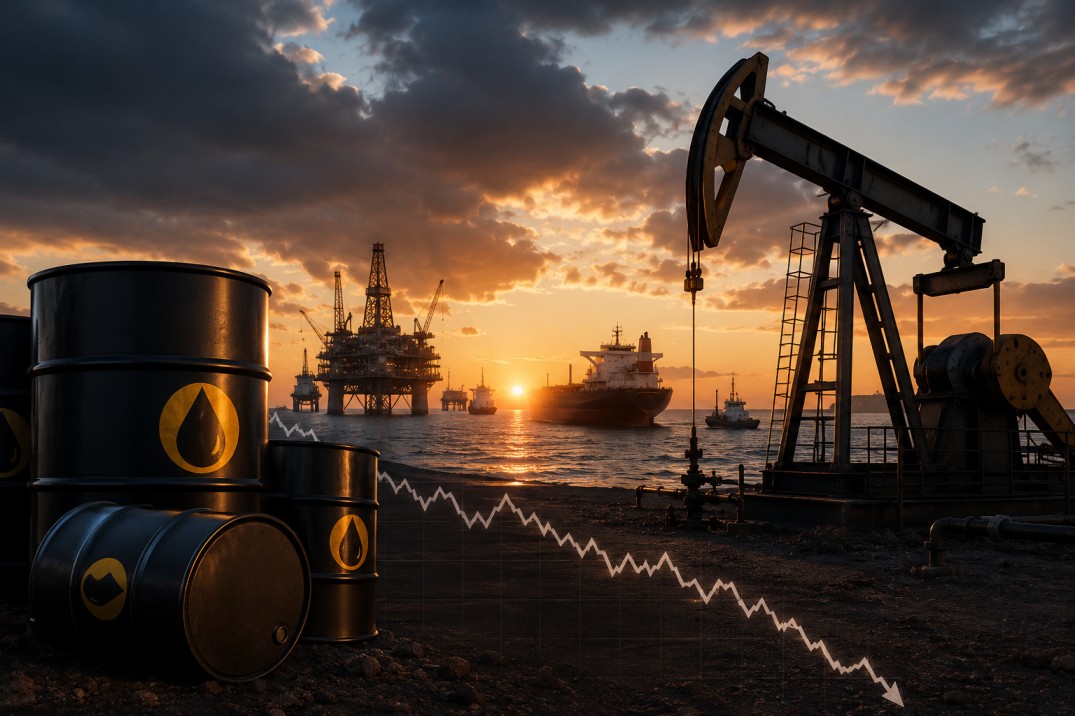
Oil Prices Extend Decline as Market Sentiment Improves
Global oil prices remained under pressure as optimism surrounding Hormuz Strait negotiations improved investor confidence and reduced fears of supply disruptions. Both Brent crude and West Texas Intermediate (WTI) traded lower as markets reacted positively to signs of diplomatic progress in one of the world's most critical energy corridors. Although geopolitical tensions in the Middle East have historically supported higher crude oil prices, improving negotiations have shifted market sentiment toward stability, encouraging traders to reduce the geopolitical risk premium.
The decline in crude oil prices reflects a broader market expectation that smoother diplomatic relations could help maintain uninterrupted energy supplies, reducing immediate concerns over global oil availability.
Why the Hormuz Strait Matters to Global Oil Markets
The Hormuz Strait is one of the most strategically important shipping routes in the global energy industry. Nearly 20% of the world's crude oil exports pass through this narrow waterway every day, making it a vital link between Middle Eastern oil producers and international markets.
Any disruption to shipping activity in the region can rapidly increase oil prices, transportation costs, and inflation worldwide. Because of its importance, financial markets closely monitor every geopolitical development surrounding the Strait. Positive negotiation updates generally ease supply concerns, while rising tensions often trigger sharp increases in crude oil prices.
Diplomatic Progress Eases Supply Disruption Concerns
Recent reports suggesting progress in negotiations have encouraged investors to believe that shipping operations through the Hormuz Strait may remain secure. As concerns over potential blockades or military escalation decline, traders have started removing part of the geopolitical premium that had supported oil prices over recent weeks.
Lower risk perception has created selling pressure across the energy market, contributing to the latest decline in Brent crude and WTI futures. While uncertainty has not completely disappeared, improving diplomatic relations have provided temporary relief for global commodity markets.
Brent Crude and WTI React to Falling Geopolitical Risks
Brent crude and WTI crude benchmarks both responded negatively to easing geopolitical tensions. Energy traders continue adjusting their positions based on changing expectations regarding global oil supply and demand.
Despite healthy global energy consumption, reduced fears of supply interruptions have outweighed supportive demand fundamentals. Investors now believe that stable shipping conditions could improve the flow of crude oil from major producing nations, helping balance global supply without creating immediate shortages.
Global Supply and Demand Continue to Influence Oil Prices
Beyond geopolitical developments, global supply and demand remain the primary drivers of crude oil prices. Oil-producing nations continue managing production carefully, while demand from transportation, manufacturing, aviation, and industrial sectors remains relatively stable.
However, concerns about slower global economic growth have limited expectations for stronger fuel consumption. Several major economies continue facing high borrowing costs and slower business activity, leading investors to adopt a cautious outlook toward future energy demand.
As a result, oil prices remain under pressure despite stable consumption across many regions.
Economic Growth and Inflation Remain Key Market Drivers
Inflation and central bank policies continue influencing commodity markets worldwide. Investors are closely watching economic data from the United States, China, and Europe to assess future fuel demand.
If global economic activity accelerates, energy consumption could increase, providing support for crude oil prices. On the other hand, prolonged high interest rates and slower industrial production may continue limiting demand growth, keeping oil prices volatile in the coming months.
US Dollar Strength Adds Pressure on Crude Oil
The US dollar also plays an important role in determining oil prices because crude oil is traded globally in dollars. A stronger dollar makes oil more expensive for international buyers using other currencies, often reducing purchasing demand.
Conversely, a weaker dollar generally supports commodity prices by making crude oil more affordable worldwide. Currency fluctuations therefore remain an important factor alongside geopolitical developments and production decisions.
Shipping Industry Watches Hormuz Strait Developments
Shipping companies and energy exporters are closely monitoring negotiations in the Hormuz Strait. Improved security conditions could lower insurance premiums, reduce transportation costs, and improve vessel movement across one of the world's busiest maritime trade routes.
Better logistics would strengthen global energy supply chains and improve confidence among refiners, importers, and international oil companies. Stable shipping conditions may also help reduce price volatility over the medium term.
Future Outlook for the Global Oil Market
Although recent diplomatic progress has pressured oil prices, the global energy market remains highly sensitive to geopolitical events. Any setback in negotiations or renewed regional tensions could quickly reverse current market sentiment and trigger another rally in crude oil prices.
Investors will also monitor production decisions from major oil-producing countries, global inventory data, inflation reports, and economic growth indicators. These factors will likely determine whether Brent crude and WTI continue their recent decline or recover in the coming weeks.
Conclusion
Oil prices remain under pressure as improving Hormuz Strait negotiations boost market confidence and reduce fears of supply disruptions. While easing geopolitical tensions have weakened Brent crude and WTI prices in the short term, the global oil market continues to face uncertainty from economic conditions, production policies, and regional developments. Investors should closely monitor diplomatic negotiations and global energy demand, as these factors will shape the next major move in crude oil prices.