
The Rise of Intelligent Technology in Everyday Life
Explore how intelligent technology is transforming education, business, healthcare, and everyday life while shaping the future of digital innovation worldwide
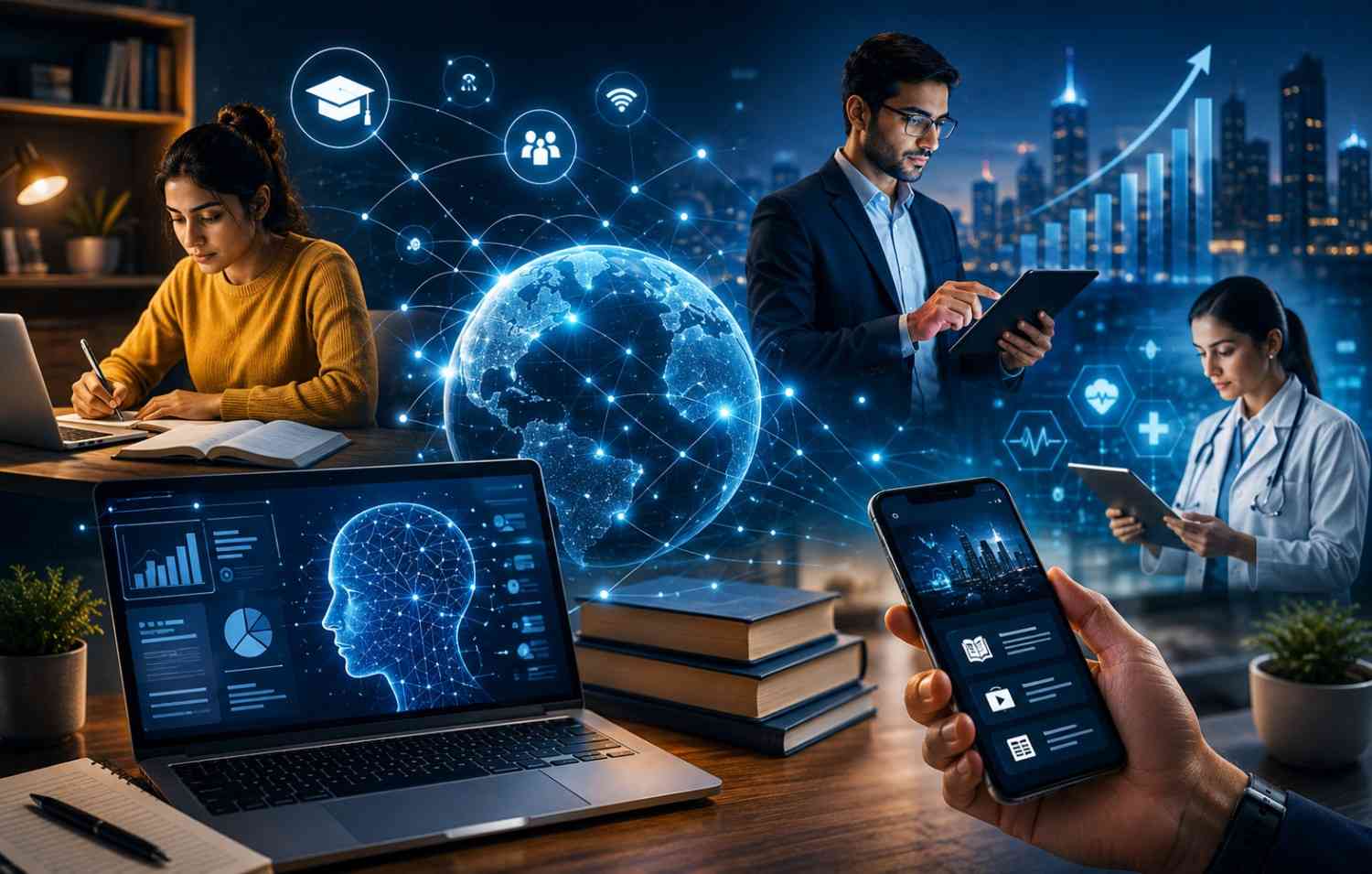
Technology is no longer limited to laboratories, large corporations, or specialized industries. It has now become a central part of daily life, influencing how people communicate, learn, work, shop, and make decisions. Among the many innovations shaping the modern world, artificial intelligence and digital automation are emerging as some of the most influential forces of this decade.
Over the past few years, intelligent technologies have evolved rapidly. What once seemed futuristic is now being integrated into ordinary activities. From personalized recommendations on streaming platforms to advanced digital assistants and automated customer support systems, intelligent software is becoming increasingly common across industries. Today, businesses, educational institutions, healthcare providers, and even governments are exploring ways to use these systems to improve efficiency and create better experiences for people.
One of the biggest areas experiencing transformation is education. Learning is no longer confined to physical classrooms or printed textbooks. Students around the world now have access to digital learning platforms that provide personalized experiences based on individual progress and understanding. These systems can analyze learning patterns, identify weaknesses, and recommend content tailored to each learner’s needs. As a result, education is becoming more flexible and accessible for people in different regions and age groups.
Teachers and educators are also using digital tools to improve classroom engagement and reduce administrative workloads. Automated grading systems, virtual learning assistants, and interactive educational platforms are helping institutions focus more on student development rather than repetitive tasks. While technology cannot replace human mentorship and creativity, it can significantly enhance the learning experience when used responsibly.
The business world is also witnessing a major shift. Companies are increasingly investing in intelligent systems to improve productivity, customer engagement, and operational efficiency. Data analysis tools can now process massive amounts of information within seconds, helping organizations make faster and more accurate decisions. Businesses are using predictive technologies to understand customer behavior, optimize supply chains, and identify market trends before they become mainstream.
Automation is particularly changing the nature of repetitive work. Tasks that once required large teams and long working hours can now be completed through software-driven processes. This transformation allows businesses to focus more on innovation, strategy, and creativity. However, it also raises important discussions about workforce adaptation and the future of employment.
Experts believe that the future job market will increasingly value skills such as critical thinking, communication, adaptability, and digital literacy. Instead of replacing humans entirely, technology is expected to reshape job roles and create demand for new types of expertise. This means individuals who continuously learn and adapt to technological changes will likely have better opportunities in the evolving economy.
Healthcare is another sector benefiting from technological advancement. Intelligent systems are assisting doctors in identifying diseases earlier, improving diagnostic accuracy, and streamlining patient management. Hospitals and medical researchers are using data-driven tools to study treatment outcomes and develop more effective healthcare strategies. In some regions, digital healthcare platforms are also helping patients connect with medical professionals remotely, improving access to healthcare services.
Despite these advantages, the rapid growth of intelligent technology also comes with concerns. One of the biggest challenges is cybersecurity. As more systems become connected digitally, protecting personal data and online infrastructure has become increasingly important. Cyberattacks, misinformation, and privacy breaches are now major concerns for organizations and governments worldwide.
Technology experts and policymakers are emphasizing the importance of ethical innovation. Questions surrounding data privacy, algorithmic bias, and responsible use of automation are becoming central topics in global discussions. Many believe that technological progress must be balanced with transparency, accountability, and human oversight to ensure that innovation benefits society as a whole.
Another important discussion involves the psychological and social impact of digital dependence. While technology improves convenience and accessibility, excessive reliance on digital platforms can affect attention spans, social interaction, and mental well-being. As a result, experts encourage people to maintain a healthy balance between digital engagement and real-world experiences.
The growing importance of digital literacy is also shaping global conversations. Understanding how technology works is no longer just an advantage for technical professionals. It is becoming a necessary skill for students, entrepreneurs, employees, and consumers alike. People who understand digital systems are better equipped to identify misinformation, protect their privacy, and make informed decisions in an increasingly connected world.
At the same time, innovation continues to create exciting possibilities. Emerging technologies such as advanced robotics, intelligent automation, virtual reality, and decentralized digital systems are expected to influence industries even further in the coming years. Researchers and businesses are exploring how these technologies can improve sustainability, communication, transportation, and healthcare on a global scale.
The future of technology will likely depend not only on innovation itself but also on how societies choose to use it. Responsible development, ethical decision-making, and continuous learning will play critical roles in shaping a future where technology supports human progress rather than creating division or uncertainty.
As the digital era continues to evolve, one thing is clear: intelligent technology is no longer a distant concept. It is becoming an essential part of modern life, influencing industries, economies, and personal experiences worldwide. The people and organizations that stay informed, adaptable, and responsible will be best prepared to succeed in this rapidly changing environment.
Disclaimer
The information provided in this article is intended for educational and informational purposes only. The views expressed are based on publicly available industry trends, expert discussions, and technological developments at the time of writing. Readers are encouraged to conduct their own research and seek professional advice before making decisions related to technology, business, finance, or digital platforms. CoinGroww does not guarantee the completeness or accuracy of third-party information referenced in this content.
For readers, students, and professionals alike, understanding technological trends is no longer optional. It is becoming one of the most important tools for navigating the future.