What Is DeFi? Understanding Decentralized Finance in Simple Terms
DeFi, or Decentralized Finance, is an emerging financial system built on blockchain technology that operates without traditional intermediaries like banks or brokers. Instead, it uses self-executing smart contracts to enable services such as lending, borrowing, trading, and earning interest ,all accessible to anyone with an internet connection. Key features include transparency, user control, open access, and interoperability between apps. While DeFi offers exciting opportunities for innovation and financial inclusion, it also comes with risks like smart contract vulnerabilities and market volatility. In essence, DeFi aims to rebuild finance as an open, permissionless, and programmable ecosystem putting financial tools directly in the hands of users.
Imagine a financial system without banks, brokers, or paperwork — where you can borrow, lend, trade, and earn interest directly from your phone or computer, with no middleman in charge. That’s the promise of Decentralized Finance, or DeFi.
In this article, we’ll break down what DeFi really means, how it works, and why it’s reshaping the future of money — all in plain, simple language.
DeFi Explained: Finance Without the Middleman
At its core, DeFi is a global, open alternative to the traditional financial system. Instead of relying on institutions like banks or credit unions, DeFi uses blockchain technology — the same tech behind Bitcoin and Ethereum — to create financial tools that are:
Open to anyone with an internet connection
Controlled by users, not central authorities
Transparent, with rules written in publicly viewable code
Interoperable, meaning different apps can work together like Lego blocks
Think of it this way: traditional finance is like a library where you need permission to enter and a librarian to hand you books. DeFi is like an open bookstore where anyone can walk in, pick up a book, or even add their own to the shelves — all without asking for approval.
How Does DeFi Actually Work?
DeFi applications (often called dApps) run on smart contract blockchains, primarily Ethereum. A smart contract is a self-executing agreement written in code. Once deployed, it runs automatically without human intervention.
For example, a DeFi lending app might have a smart contract that says:
“If User A deposits 10 ETH as collateral, they may borrow up to 5,000 DAI stablecoin. If their collateral value falls below a certain threshold, liquidate it automatically.”
No loan officer, no credit check — just code enforcing the rules.
Key Components of the DeFi Ecosystem:
Stablecoins – Cryptocurrencies pegged to stable assets like the US dollar, providing a steady medium of exchange.
Decentralized Exchanges (DEXs) – Platforms like Uniswap where users trade directly with one another without a central authority.
Lending & Borrowing Platforms – Services like Aave or Compound where users can earn interest on deposits or take out loans using crypto as collateral.
Yield Farming & Staking – Ways to earn rewards by providing liquidity or locking up crypto to support a network.
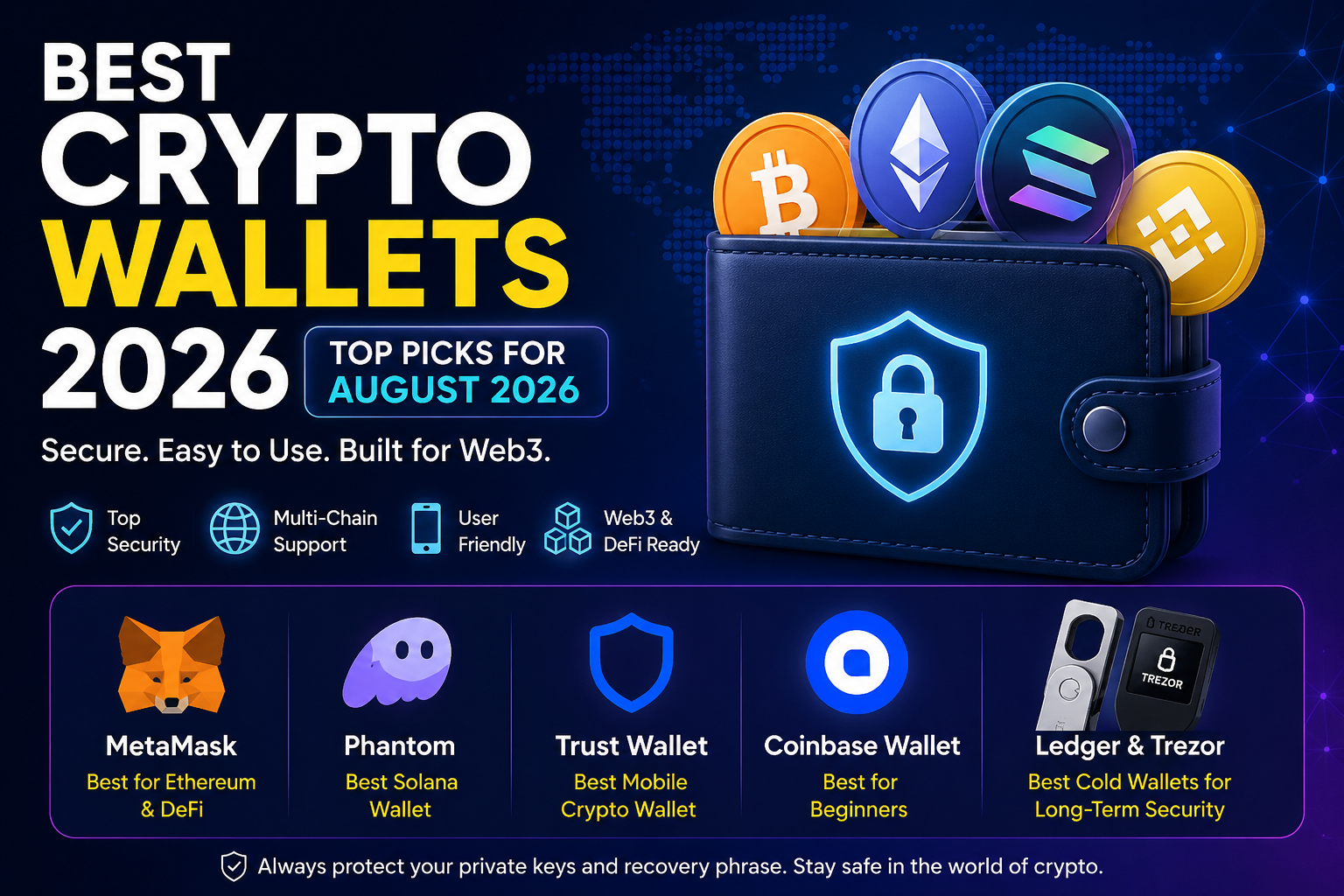
Wallets – Self-custody tools like MetaMask that let users interact with DeFi apps while keeping control of their assets.
Why Are People Excited About DeFi?
Accessibility: Nearly 1.7 billion people worldwide are unbanked — DeFi only requires a smartphone and internet.
Control: You hold your own assets (not a bank), reducing counterparty risk.
Transparency: All transactions are publicly verifiable on the blockchain.
Innovation: Open-source code allows rapid building of new financial products.
Efficiency: Automation reduces costs and speeds up processes that normally take days.
Risks and Challenges
DeFi isn’t without risks. As a relatively new and fast-moving space, users should be aware of:
Smart contract vulnerabilities: Code can have bugs or be exploited by hackers.
Volatility: Crypto markets can be highly unpredictable.
Regulatory uncertainty: Governments are still figuring out how to approach DeFi.
User responsibility: With greater control comes greater responsibility — if you lose your wallet keys, no customer service can restore access.
The Future of Finance?
DeFi represents a fundamental shift in how we think about money, trust, and financial services. While still in its early stages — sometimes called the “Wild West” of finance — its potential to democratize access, increase transparency, and foster innovation is undeniable.
Whether it’s earning interest on savings without a bank, taking out a loan in minutes, or trading assets peer-to-peer, DeFi is building a new financial layer for the internet age — open, programmable, and for everyone.
Ready to explore further? Always start with small amounts, do your own research, and understand that this is an evolving space. The future of finance is being written in code, and now you have a front-row seat.
Want to stay updated on DeFi and crypto explained simply? [Subscribe to our newsletter] for beginner-friendly insights delivered to your inbox weekly.
Disclaimer: This article is for educational purposes only and not financial advice. Cryptocurrency and DeFi involve significant risk. Always conduct your own research before making any financial decisions.