What Is a Decentralized Autonomous Organization (DAO)? Complete 2026 Guide
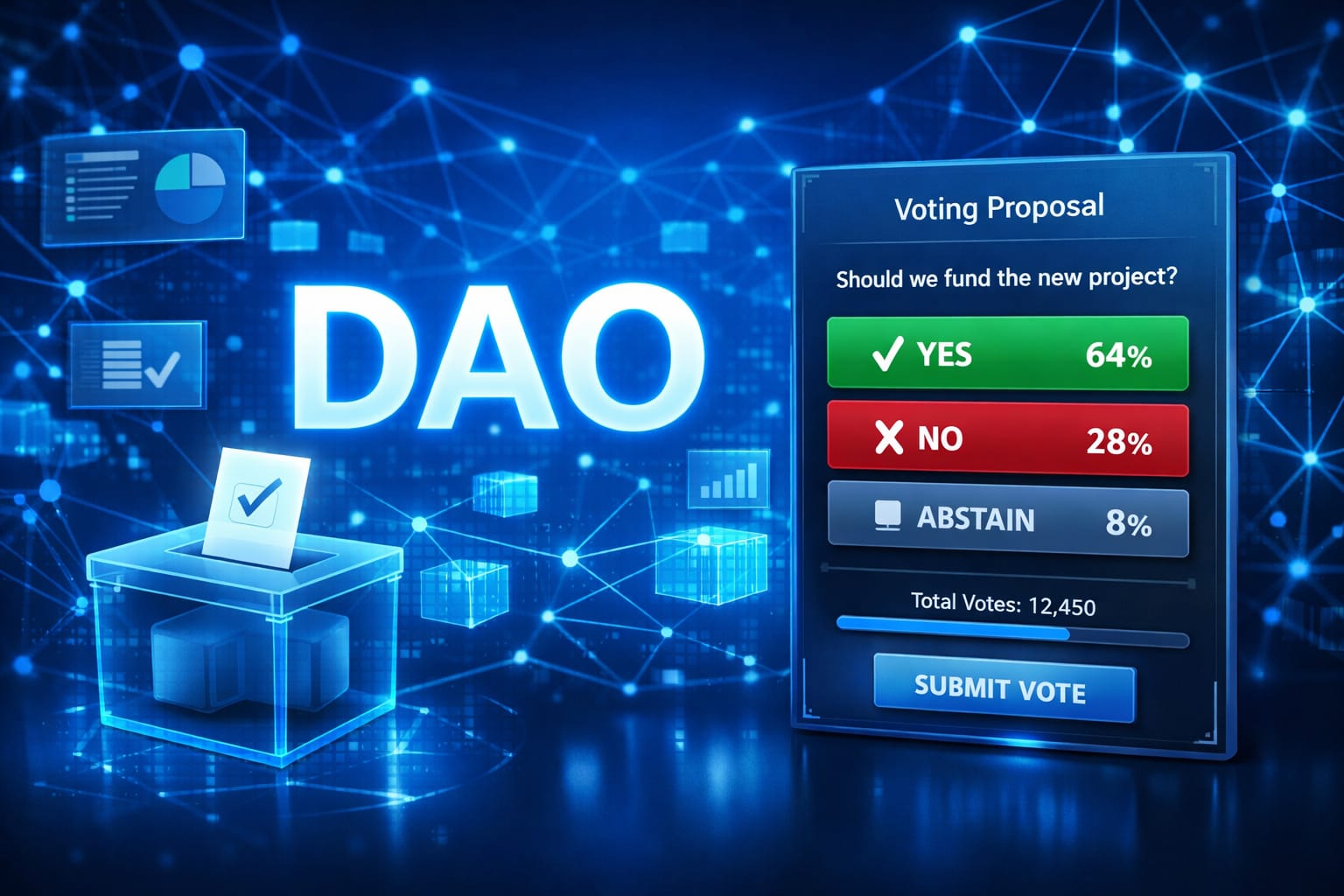
A Decentralized Autonomous Organization (DAO) is a blockchain-based community where members use governance tokens to vote on decisions instead of relying on centralized leadership. While DAOs promote transparency and global participation, they also face legal, technical, and governance challenges.
I'll be honest—when I first heard about DAOs, I thought it was just another crypto buzzword. But after participating in a few and watching them evolve, I've changed my tune completely.
What Is a DAO?
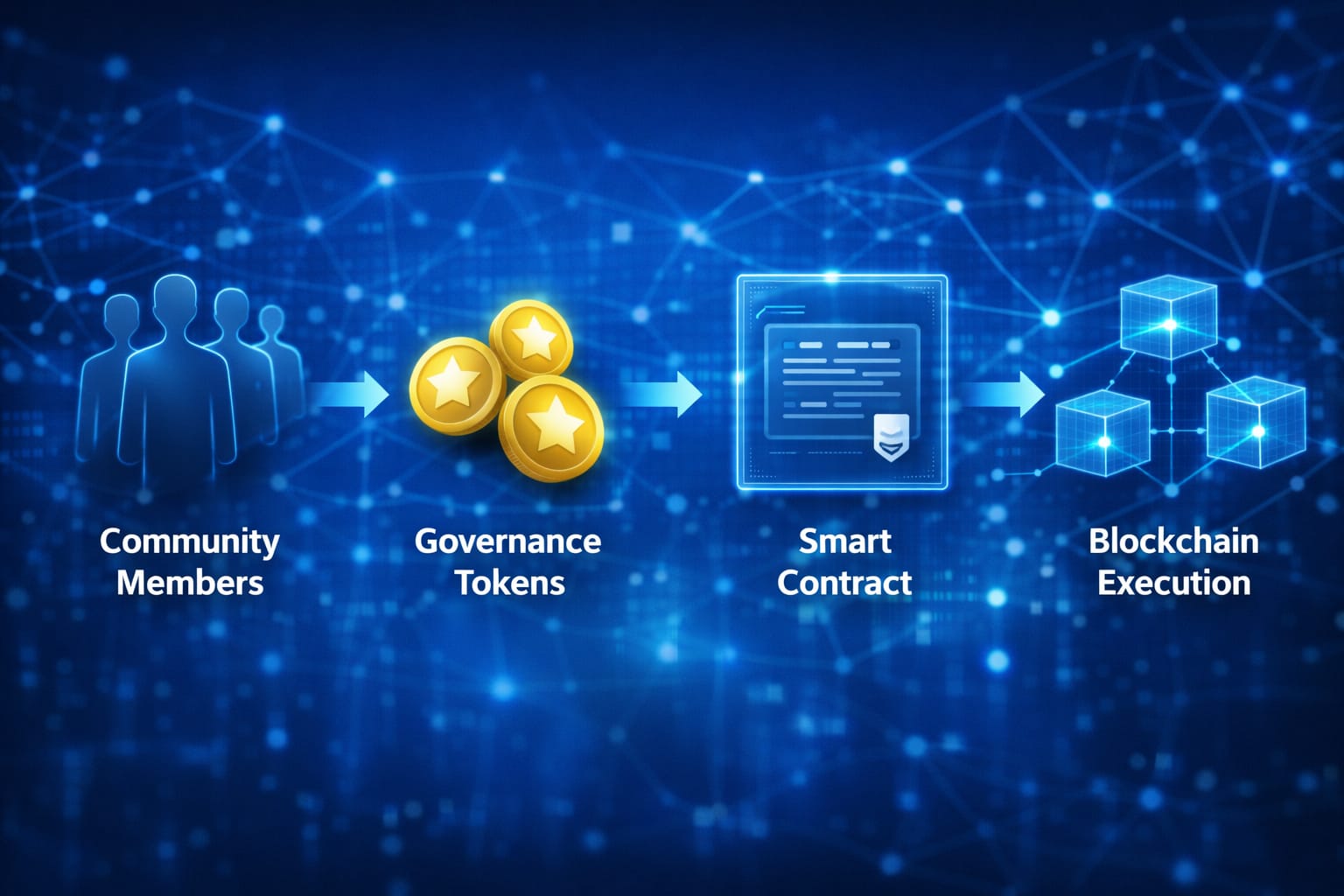
A Decentralized Autonomous Organization (DAO) is basically a digital club or company that runs on blockchain technology. Instead of having a CEO making decisions, everyone who holds the organization's governance tokens gets to vote on what happens. Think of it like a co-op, but global and automatic.
The rules are written in code called smart contracts. Once the community votes and approves something, the blockchain executes it automatically—no waiting for someone to sign off or process paperwork.
How DAOs Actually Work
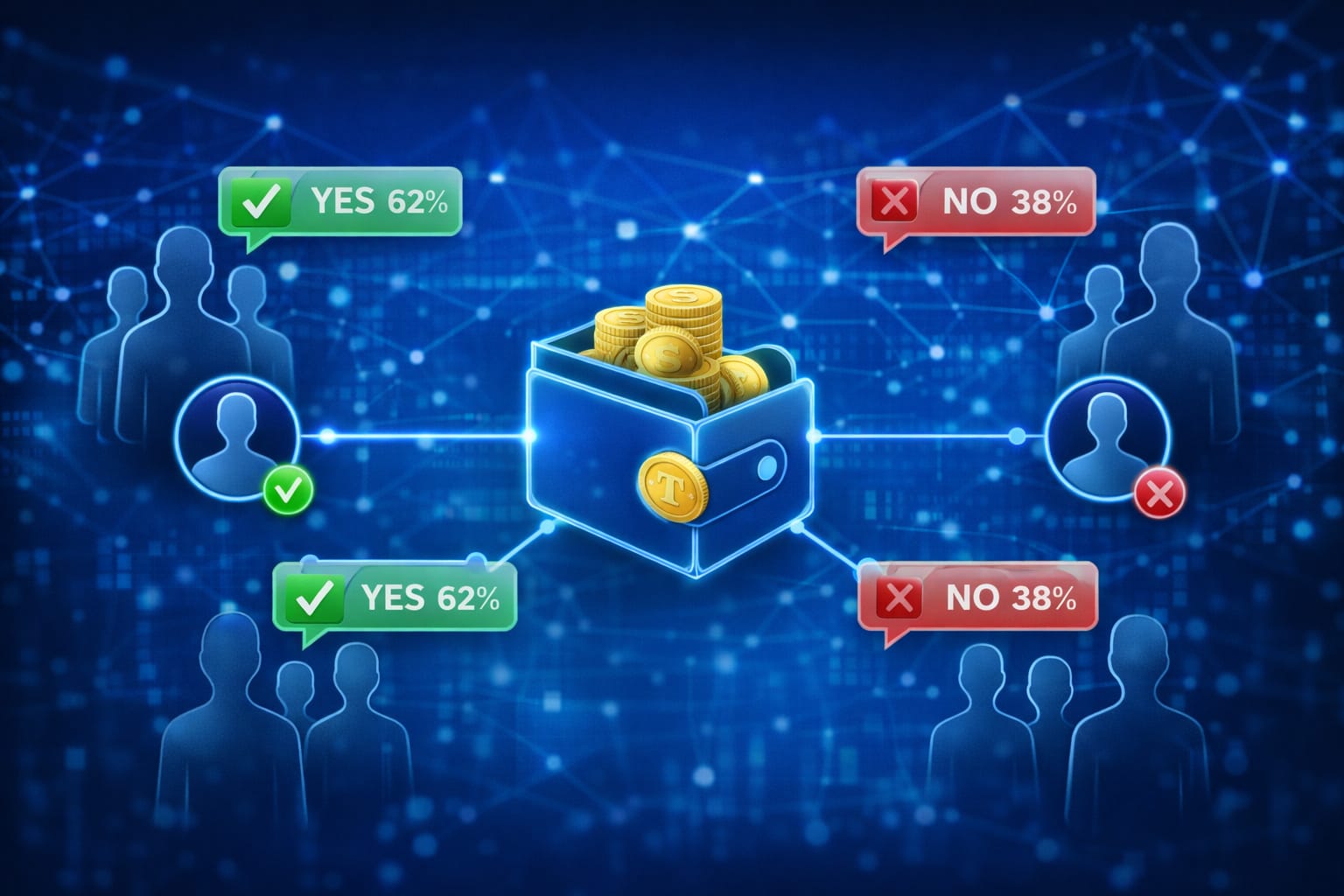
Here's the simple version: You buy or earn governance tokens. Those tokens give you voting rights—one token typically equals one vote. Someone proposes an idea (like "Let's fund this project for $50,000"), everyone votes, and if it passes, the smart contract automatically makes it happen.
The money sits in a shared treasury that nobody can individually access. The only way funds move is through community votes. It's democracy meets blockchain.
Types of DAOs
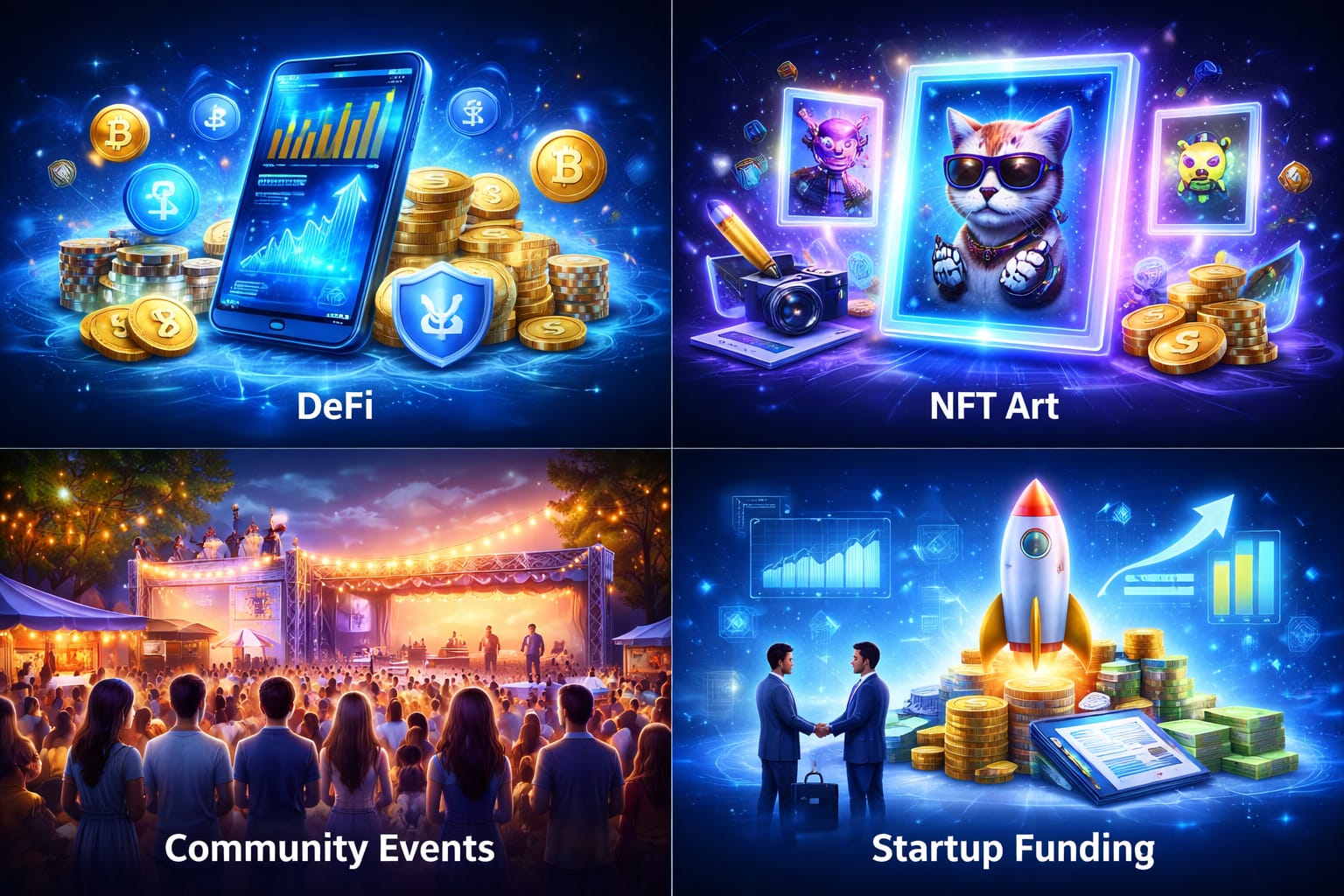
Protocol DAOs like MakerDAO govern DeFi platforms and manage billions in crypto assets.
Investment DAOs pool money to invest collectively in startups or NFTs.
Social DAOs like Friends With Benefits create exclusive communities where token holders get access to events and networking.
Collector DAOs like PleasrDAO buy expensive digital art together.
Grant DAOs fund open-source projects and public goods.
Why People Love DAOs
The transparency is incredible—every transaction is on the blockchain for anyone to verify. Geography doesn't matter; someone in Lagos has equal say with someone in London. Your interests align with the organization's success because you hold tokens. And honestly, no single person can screw everyone over since power is distributed.
The Real Problems
But let's be real: most governments don't know how to handle DAOs legally. Rich token holders often dominate voting, which kills the whole "decentralization" vibe. Voter turnout is terrible—often under 10%—because staying informed is exhausting. Smart contracts can get hacked (remember the $60 million DAO hack?). And decision-making is painfully slow when you need thousands to agree.
Plus, you need to understand crypto wallets, blockchain basics, and Discord channels—that excludes most people right there.
Should You Join One?
Join a DAO if you're frustrated with traditional hierarchies, believe in the mission, and have time to actually participate.
Don't join if you need quick decisions, want guaranteed returns, or find the tech barrier overwhelming.
My honest take? Join because you care about the community and mission, not to get rich. The real value is the experience and connections, not necessarily the financial returns.
Getting Started
Start by lurking in DAO Discord servers. Check out DeepDAO or Snapshot to find active communities. Learn how MetaMask works. Buy a small amount of tokens—seriously, start small.
Then actually participate: read proposals, vote, engage in discussions.
DAOs aren't perfect, but they're a genuinely interesting experiment in how people can organize without traditional hierarchies. Whether they'll change the world or remain niche is still unclear. Either way, now you know what they are and how they work.
Disclaimer
This article is for educational and informational purposes only. It does not constitute financial, legal, or investment advice. Always conduct your own research before participating in any DAO or purchasing governance tokens.