Ledger Wallet Security Alert: Suspected Hardware Tampering Raises Crypto Safety Concerns
Reports of crypto theft involving Ledger devices purchased from a Southeast Asian reseller have raised concerns about hardware wallet supply-chain security. Here is what users should know and how to protect their funds.
What Happened in the Ledger Wallet Incident?
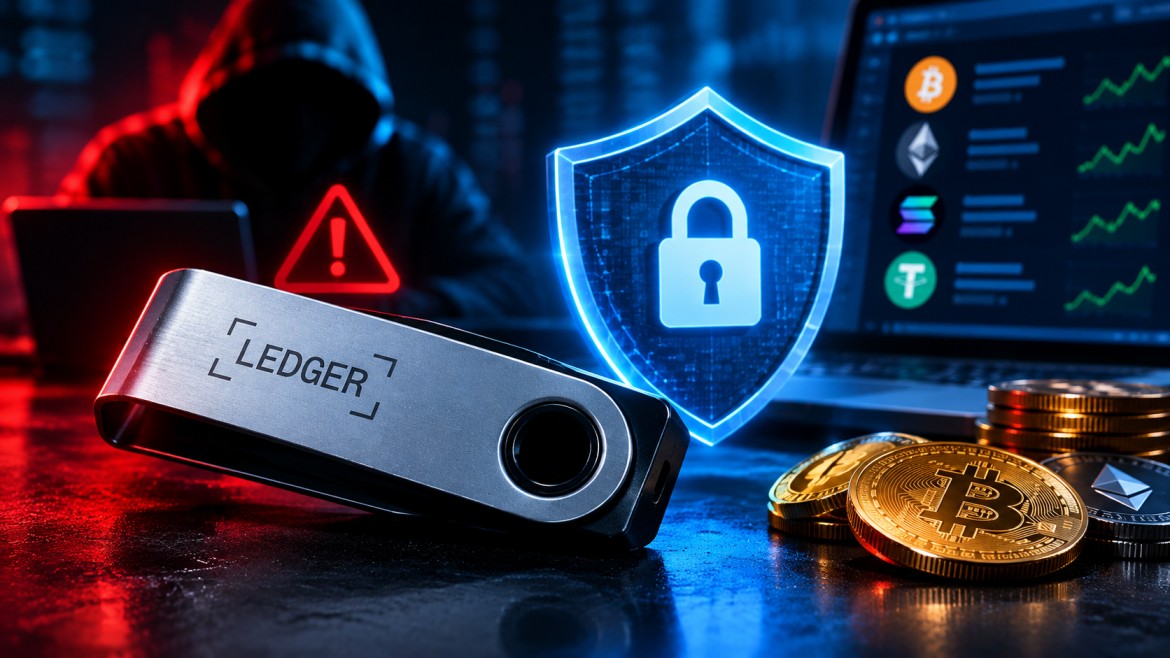
Ledger is investigating reports of cryptocurrency theft involving customers who purchased hardware wallets through a reseller known as CryptoBilis. Reports published in October 2026 linked the suspected losses to potentially tampered devices, with one blockchain analysis estimate placing losses above $86 million.
The total amount has not been independently confirmed, and the precise cause remains under investigation. Ledger has reportedly asked the reseller to pause sales and shipments while the matter is examined.
Importantly, the reports do not establish that Ledger's own internal systems were breached. The concern centres on devices obtained through the reseller and the possibility that the hardware was altered before reaching customers.
Why Could a Tampered Hardware Wallet Be Dangerous?
Hardware wallets are designed to keep private keys isolated from internet-connected devices. However, a wallet can only provide its intended protection if the device and its setup process are trustworthy.
If a device has been modified before purchase, it could potentially expose sensitive information during setup. A compromised recovery phrase is especially dangerous because someone who obtains it may be able to access the associated crypto wallet without physically possessing the device.
This is why buying a hardware wallet from an unknown seller or an unverified marketplace can create risks beyond ordinary phishing attacks.
How Can Crypto Users Protect Their Wallets?
Users should take a few practical precautions:
Buy from trusted sources: Prefer the manufacturer's official store or an authorised reseller.
Never share your recovery phrase: Genuine support teams should not need your seed phrase.
Check the device carefully: Follow the manufacturer's official instructions for verifying and setting up the hardware wallet.
Treat unexpected setup instructions as a warning: Never enter a recovery phrase into an unfamiliar website or app.
Act quickly if compromise is suspected: From a trusted device, create a new wallet using verified hardware and move funds to a fresh wallet with a new recovery phrase. Seek official guidance if you are unsure how to do this safely.
reset alone may not be enough if the recovery phrase has already been exposed.
Does This Mean All Ledger Wallets Are Unsafe?
No. The reported incident does not prove that all Ledger devices are compromised. The available reporting concerns suspected tampering associated with a particular reseller, and the investigation has not established the full scope of the issue.
Users should follow official security updates rather than rely on viral posts or unverified claims. At the same time, the incident highlights a broader lesson: hardware security depends on the supply chain, device integrity and safe recovery-phrase handling-not just the wallet brand.
Final Thoughts
The Ledger investigation is a reminder that self-custody requires more than purchasing a hardware wallet. Where a device comes from, how it is verified and how its recovery phrase is handled all matter.
Crypto users should stay alert, verify information through official channels and avoid panic-driven transactions. Until investigators establish the cause and scope, reported loss figures should be treated as estimates rather than final totals.
Disclaimer: This article is for informational and educational purposes only and does not constitute financial or investment advice. Crypto assets and self-custody involve security risks. Always verify security instructions through official channels before moving funds.