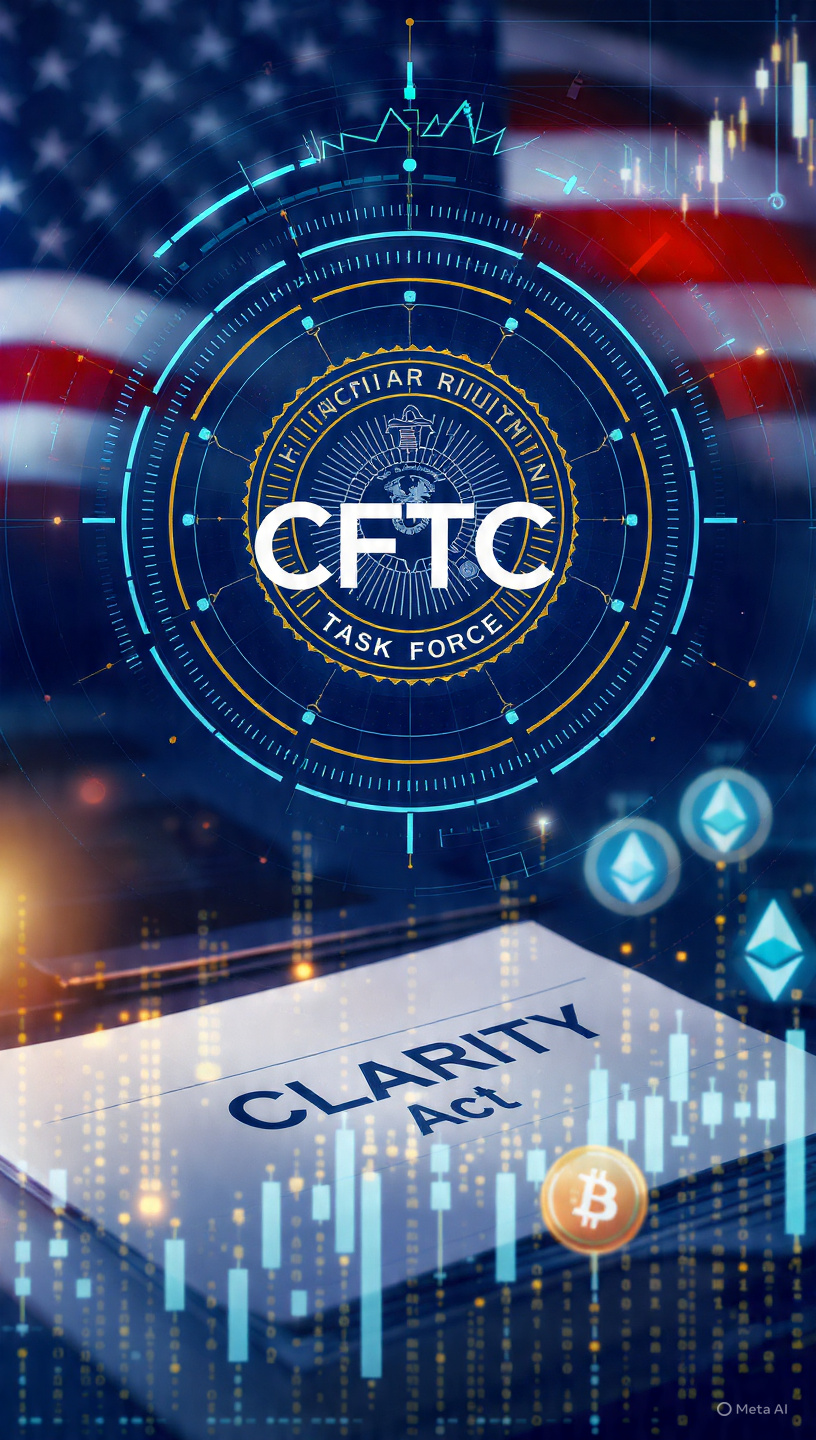
White House Crypto Talks Stall as Stablecoin Rules Remain Unclear
White House talks between banks and crypto firms failed to resolve stablecoin interest rules, delaying U.S. crypto legislation. Regulatory uncertainty continues to impact investors and the digital asset industry.
Excerpt Summary
U.S. regulators, banks, and crypto firms failed to reach agreement on stablecoin interest rules, delaying progress on federal crypto legislation and increasing regulatory uncertainty.
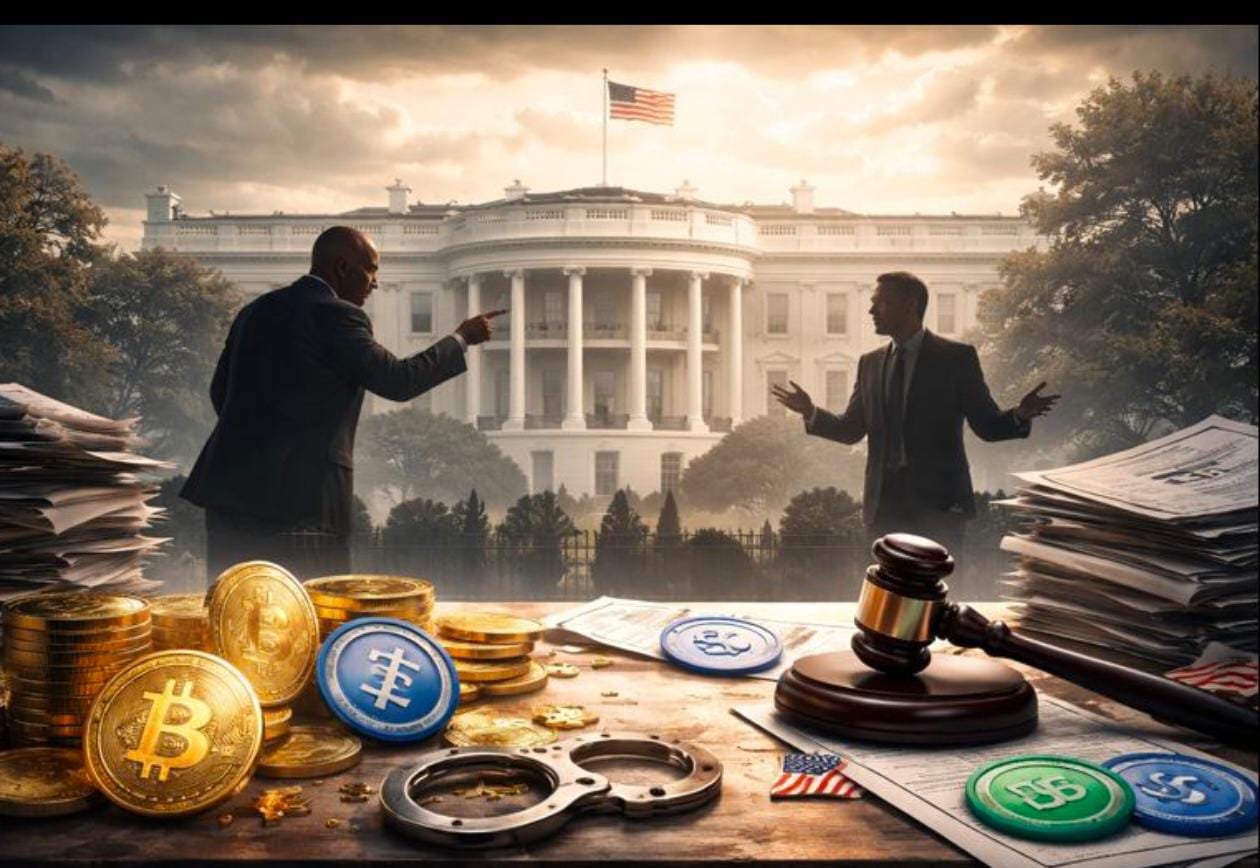
Efforts to establish clear cryptocurrency regulations in the United States faced another setback after high-level White House discussions between major banks and crypto companies ended without consensus. The failed talks leave key digital asset policies, especially around stablecoins, in regulatory limbo.
The meeting aimed to settle long-standing disputes over whether stablecoin issuers should be allowed to offer interest or rewards on dollar-backed tokens. However, sharp differences between traditional financial institutions and crypto firms prevented a breakthrough, slowing momentum on broader crypto legislation.
What Was Discussed at the White House?
Held in early February 2026, the meeting included:
Senior U.S. government officials
Executives from major banks
Leaders from prominent crypto and blockchain firms
The objective was to create a unified framework for crypto regulation, with a focus on stablecoins. Despite extended discussions, participants failed to resolve the most contentious issues, according to sources familiar with the talks.
Why Stablecoins Remain the Sticking Point
Stablecoins are digital assets designed to track the value of the U.S. dollar and are widely used for:
Crypto trading and settlements
Cross-border payments
Yield generation through rewards programs
The debate centers on whether issuers should be permitted to offer interest-like incentives.
Banks argue that such programs could drain deposits from traditional institutions, weaken lending activity, and pose risks to financial stability, calling for bank-style regulations on crypto firms.
Crypto companies counter that rewards are fundamental to decentralized finance, help drive innovation, and give users alternatives to legacy banking services.
With neither side willing to compromise, negotiations remain stalled.
Impact on U.S. Crypto Regulation
The deadlock has delayed broader legislation designed to:
Clarify regulatory authority over digital assets
Strengthen investor protections
Provide legal certainty for crypto businesses
While some crypto market structure bills have advanced in Congress, unresolved stablecoin rules continue to block final approval.
As a result, the U.S. crypto industry remains governed by fragmented regulations, increasing uncertainty for both companies and investors.
Market Reaction
Although the talks did not trigger immediate market moves, prolonged regulatory uncertainty often:
Raises market volatility
Slows institutional participation
Pushes innovation toward jurisdictions with clearer rules
Investors are now closely watching policymakers to gauge whether future negotiations lead to progress or further delays.
What Comes Next?
Officials say more discussions are likely, but no timeline has been set. Until a compromise is reached:
Stablecoin regulations remain unclear
Crypto firms face ongoing compliance uncertainty
Policy debates will continue to shape market sentiment
Clear rules remain the goal — but progress appears slow.
Final Thoughts
The stalled White House talks highlight the widening divide between traditional finance and the digital asset sector. With stablecoins at the center of the dispute, U.S. crypto regulation remains frozen, leaving investors and companies waiting for clarity while monitoring policy developments as closely as market trends.
Disclaimer
This content is for informational purposes only and does not constitute financial, legal, or investment advice. Cryptocurrency regulations vary by jurisdiction and are subject to change. Always consult qualified professionals and conduct your own research before making financial decisions.