SpaceX Stock Extends Losses Despite $1.6 Billion U.S. Space Force Contract: Investor Concerns Continue
SpaceX secured a $1.6 billion U.S. Space Force contract, strengthening its position in the aerospace industry. Despite the positive development, investor concerns over broader market conditions, long-term spending, and execution risks kept market sentiment cautious. While short-term valuation pressure continues, the contract reinforces SpaceX's strong relationship with the U.S. government and supports its long-term growth outlook through defense launches, Starlink expansion, and future space missions.
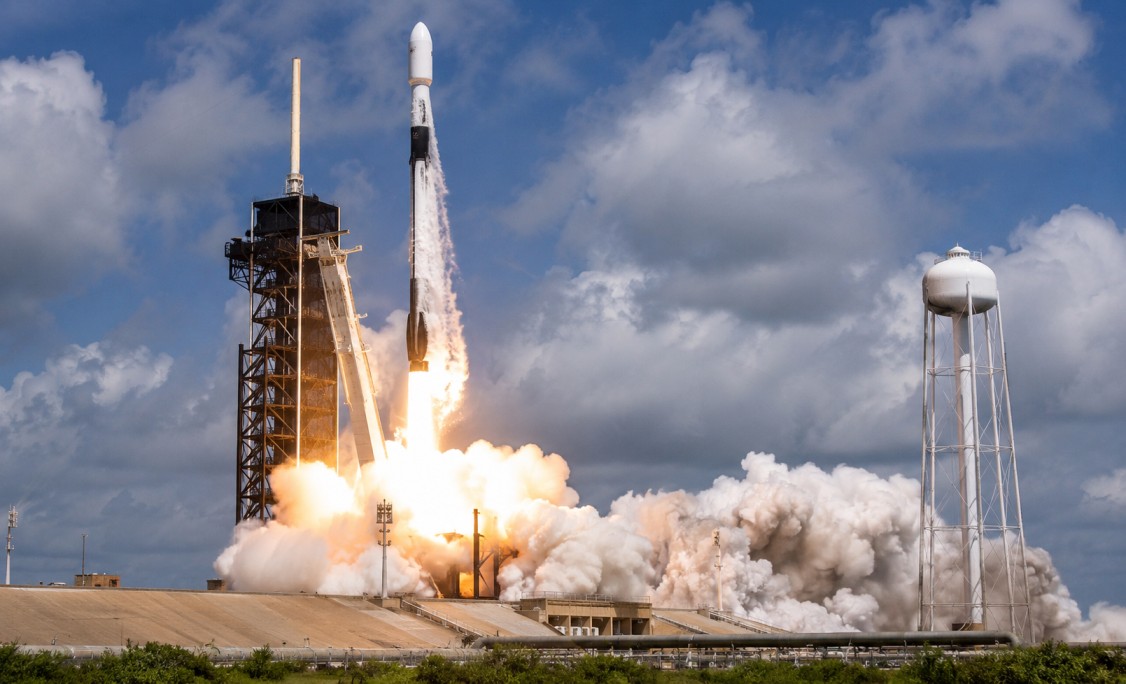
SpaceX has secured another major milestone after winning a $1.6 billion contract from the U.S. Space Force, reinforcing its position as one of the world's leading aerospace companies. However, despite the positive announcement, investor sentiment has remained cautious, and SpaceX-related market valuations continued to face pressure.
The situation highlights an important reality in today's financial markets: large government contracts do not always translate into immediate gains in company valuation. Investors are increasingly looking beyond headline announcements and focusing on long-term profitability, execution risks, and broader market conditions.
A Major Win for SpaceX
The newly awarded U.S. Space Force contract demonstrates the growing trust between the U.S. government and SpaceX. The agreement is expected to support national security missions, satellite launches, and future space operations that require reliable launch capabilities.
Over the past several years, SpaceX has become one of the most trusted launch providers in the world. Its reusable rocket technology, frequent successful missions, and lower launch costs have helped the company secure contracts from both commercial clients and government agencies.
Winning another multi-billion-dollar agreement further strengthens SpaceX's reputation as a dominant player in the global space industry.
Why Are Investors Still Concerned?
Although the contract is significant, investors continue to evaluate several broader factors that may explain the recent weakness in SpaceX-related valuations.
One reason is that markets often price in positive expectations well before official announcements. By the time a major contract becomes public, many investors may already have anticipated the news.
In addition, global financial markets remain sensitive to interest rates, inflation concerns, and economic uncertainty. Growth-focused technology and aerospace companies often experience higher volatility during such periods, regardless of positive business developments.
Investors are also paying close attention to SpaceX's ambitious spending plans, including Starship development, Starlink expansion, and future deep-space missions that require substantial capital investment.
Government Contracts Strengthen Long-Term Growth
Government partnerships remain one of SpaceX's biggest competitive advantages.
The company continues to play an important role in launching military satellites, supporting NASA missions, and expanding America's space capabilities. Long-term defense contracts provide stable revenue and strengthen SpaceX's financial foundation even during uncertain economic conditions.
These contracts also increase confidence among institutional investors who value predictable long-term business opportunities.
SpaceX Continues to Lead the Global Space Industry
SpaceX has transformed the commercial space industry through innovation.
Its reusable Falcon rockets have significantly reduced launch costs, while the Starlink satellite network continues expanding broadband internet access across the globe. Meanwhile, the Starship program represents one of the most ambitious projects in modern aerospace, with the potential to reshape space transportation in the coming years.
Industry experts believe these businesses could become major revenue drivers over the next decade.
Market Focus Remains on Future Execution
Rather than reacting only to contract announcements, investors are now watching how efficiently SpaceX executes its long-term strategy.
Key areas attracting attention include:
Progress of Starship testing and commercial deployment.
Expansion of the Starlink satellite network.
Additional government and international launch contracts.
Revenue growth from commercial launch services.
Future funding opportunities and company valuation.
Successful execution across these areas could significantly improve investor confidence over time.
What This Means for Investors
Short-term market fluctuations are common, particularly for companies operating in high-growth industries such as aerospace and advanced technology.
While recent valuation weakness may concern some investors, the latest $1.6 billion U.S. Space Force contract demonstrates that SpaceX continues to secure major strategic partnerships.
Long-term investors often focus on business fundamentals rather than short-term market movements, and SpaceX remains one of the strongest companies driving innovation in the global space economy.
Conclusion
The latest U.S. Space Force contract worth $1.6 billion reinforces SpaceX's leadership in aerospace and national security missions. Although investor concerns have kept market sentiment cautious, the company's long-term growth story remains supported by strong government partnerships, technological innovation, and expanding commercial opportunities.
As SpaceX continues developing next-generation launch systems and expanding its global satellite network, future performance will depend less on individual contracts and more on successful execution of its ambitious long-term vision.