Why Tokenized Stocks Can Lose Their Value as Loan Collateral
Tokenized stocks are transforming digital finance, but they may not always serve as reliable loan collateral. Learn why tokenized equities can lose collateral value even when stock prices remain stable.
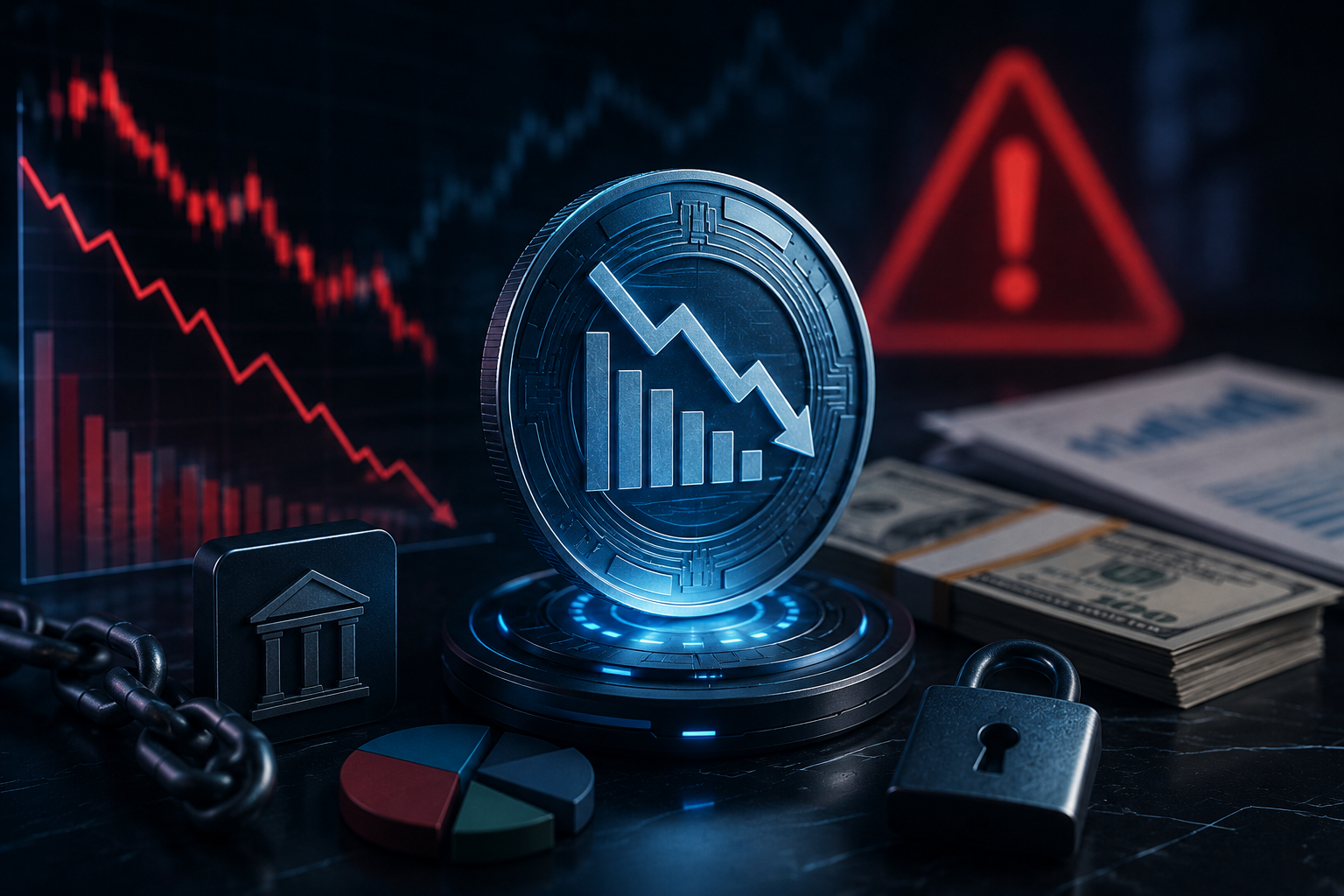
Tokenized stocks are becoming one of the fastest-growing innovations in digital finance. By representing traditional shares as blockchain-based tokens, investors can trade stocks more efficiently and access financial services around the clock. However, despite their growing popularity, tokenized stocks are not always dependable as loan collateral.
Even if the underlying stock price remains unchanged, the value and usability of tokenized shares as collateral can decline due to liquidity issues, platform risks, and market mechanics. Understanding these risks is essential for investors participating in blockchain-based lending markets.
What Are Tokenized Stocks?
Tokenized stocks are digital representations of publicly traded company shares issued on a blockchain network. Each token is designed to mirror the value of an underlying stock, allowing investors to gain exposure without purchasing shares directly through a traditional brokerage.
These digital assets combine features of traditional finance with blockchain technology, offering faster settlement, global accessibility, and integration with decentralized finance (DeFi) platforms.
Why Tokenized Stocks Can Lose Collateral Value
Many investors assume that if a stock price remains stable, its tokenized version should also maintain its collateral value. In reality, several other factors determine whether lenders are willing to accept tokenized assets.
1. Limited Market Liquidity
Unlike major stock exchanges, tokenized stocks often trade on smaller platforms with lower trading volumes.
If lenders need to liquidate collateral during a loan default, limited liquidity can make it difficult to sell tokens quickly without accepting lower prices.
2. Platform Risk
Tokenized stocks depend on the infrastructure of the platform issuing and managing the assets.
Technical failures, operational issues, security breaches, or regulatory restrictions affecting the platform may reduce confidence in the tokens, even when the underlying stock performs well.
3. Regulatory Uncertainty
Governments around the world are still developing rules for tokenized securities.
Changes in regulations could affect trading, custody, or ownership rights, causing lenders to assign lower collateral values to these digital assets despite stable stock prices.
4. Price Tracking Differences
Although tokenized stocks aim to mirror real stock prices, temporary price differences can occur because of:
Lower liquidity
Trading hours
Market demand
Exchange-specific pricing
These small deviations may increase lending risk.
5. Smart Contract and Custody Risks
Blockchain-based assets rely on smart contracts and digital custody systems.
Software vulnerabilities, technical bugs, or cybersecurity incidents can impact access to collateral even if the underlying stock itself remains financially healthy.
Why Lenders Apply Haircuts
Most lending platforms apply a collateral haircut, meaning borrowers can only receive a percentage of the token's market value as a loan.
Haircuts help lenders protect themselves against:
Market volatility
Liquidity shortages
Operational failures
Regulatory uncertainty
Unexpected liquidation costs
The higher the perceived risk, the larger the collateral discount.
Benefits of Tokenized Stocks
Despite these risks, tokenized equities offer several advantages:
24/7 trading opportunities
Faster settlement times
Fractional ownership
Global investor access
Easy integration with DeFi applications
Increased financial innovation
As blockchain infrastructure matures, these benefits could become even more significant.
The Future of Tokenized Securities
Industry experts believe tokenized stocks could become an important part of global financial markets over the next decade. Improved regulations, stronger custody solutions, and deeper liquidity may increase confidence among institutional investors.
However, lenders are expected to continue evaluating more than just stock prices when determining collateral value. Liquidity, legal certainty, and platform reliability will remain critical factors in assessing risk.
Final Thoughts
Tokenized stocks represent an exciting step toward the future of digital finance, but they are not risk-free. Even when underlying share prices remain stable, liquidity challenges, regulatory uncertainty, platform reliability, and operational risks can reduce their effectiveness as loan collateral.
Investors considering blockchain-based lending should understand these factors before using tokenized securities to secure loans. As the market evolves, stronger infrastructure and clearer regulations may help tokenized stocks become more reliable collateral in the years ahead.
Financial Disclaimer:
The information provided in this article is for educational and informational purposes only and should not be considered financial or investment advice. Cryptocurrency investments and digital assets are highly volatile and involve significant risk. Always conduct your own research (DYOR) and consult a qualified financial advisor before making any investment decisions. Coingroww is not responsible for any financial losses resulting from investment decisions based on this content.