Fed Rate Hike Odds Drop as Goldman Sachs Says Markets Are Too Hawkish
Fed rate hike expectations are weakening as markets reassess the Federal Reserve’s 2026 monetary policy outlook. Goldman Sachs believes investors may be pricing in an overly hawkish path, while softer U.S. economic data has reduced the chances of another rate increase. Falling rate-hike odds could support gold, Bitcoin and other risk assets by easing pressure from higher yields and a stronger dollar. However, upcoming inflation, employment and economic data will remain crucial for determining the Fed’s next move.
Federal Reserve Rate Hike Expectations Ease
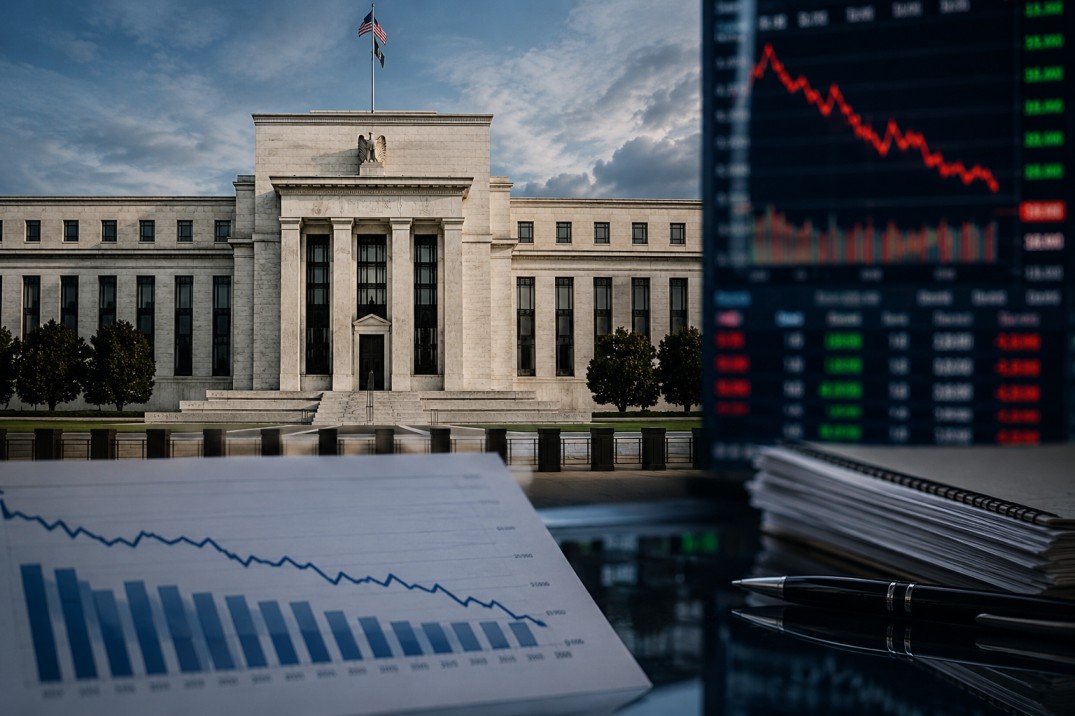
Expectations for another Federal Reserve interest rate hike in 2026 are losing momentum as fresh U.S. economic data points to softer growth and easing inflation pressures. Goldman Sachs has argued that financial markets may still be pricing in an overly hawkish path for U.S. monetary policy.
The shift comes as traders reassess the possibility of a September Fed rate hike, with weaker economic indicators reducing expectations for another increase in borrowing costs. Goldman Sachs has described a September increase as highly unlikely, reinforcing the view that the Federal Reserve could keep interest rates unchanged in the near term.
September Fed Rate Hike Odds Fall
According to recent market pricing, traders have sharply reduced the probability of a September interest-rate increase. Reuters reported that the implied probability had fallen to around 29%, compared with approximately 47% a month earlier.
Another Reuters market report put the probability near 30%, down from roughly 50% a week earlier, highlighting how quickly expectations have changed following weaker U.S. economic data.
The change is important because markets had previously become increasingly concerned that persistent inflation, energy prices and a relatively resilient labor market could force the Federal Reserve to tighten monetary policy further.
Goldman Sachs Pushes Back Against Hawkish Market Bets
Goldman Sachs is taking a more cautious view of the rate-hike narrative. The investment bank believes market expectations for additional Fed rate hikes remain too aggressive relative to the latest inflation and economic trends.
Goldman Sachs Research has separately maintained that the Federal Reserve is likely to keep rates unchanged throughout 2026, while its economists previously shifted expectations for rate cuts into 2027.
The distinction is important: a reduced probability of a rate hike does not automatically mean markets should expect immediate rate cuts. Instead, the current debate is increasingly centered on whether the Fed will maintain its existing policy rate for longer.
U.S. Economic Data Changes the Fed Outlook
Recent economic figures have contributed significantly to the change in expectations.
U.S. retail sales unexpectedly declined in July, marking the first monthly drop in nine months. At the same time, weaker labor-market readings and softer inflation data have reduced the pressure on policymakers to respond with another rate increase.
For investors, the combination of slower economic momentum and moderating inflation creates a more complicated policy environment. The Fed must balance its inflation objective against the risk of unnecessarily restricting economic activity.
What It Means for the Dollar, Gold and Bitcoin
A decline in Fed rate hike expectations can have major implications across global financial markets.
Lower expectations for U.S. interest rates generally put downward pressure on the dollar because investors have less incentive to hold dollar-denominated assets for higher yields. On Monday, the U.S. dollar index weakened as markets reduced expectations for a September rate increase.
Gold has already benefited from the changing interest-rate outlook. Lower yields reduce the opportunity cost of holding non-yielding assets such as gold, helping support demand for the precious metal. Reuters reported that spot gold climbed to around $4,400 per ounce on August 17 as the weaker dollar and softer U.S. data boosted investor demand.
The same macroeconomic shift is closely watched by cryptocurrency investors. A less hawkish Federal Reserve outlook can improve liquidity conditions and risk appetite, potentially providing support for assets such as Bitcoin and other cryptocurrencies. However, crypto markets remain sensitive to inflation data, Treasury yields and future Fed guidance.
Markets Still Face Policy Uncertainty
Despite the decline in rate-hike expectations, investors should not assume that the Federal Reserve has completely abandoned a hawkish stance.
Inflation remains above the Fed's long-term 2% objective, while energy prices and geopolitical risks could complicate the inflation outlook. Goldman Sachs itself has previously highlighted the possibility that supply shocks could affect the path toward the central bank's inflation target.
That means upcoming U.S. economic data will remain critical. Investors will closely monitor inflation readings, employment figures, consumer spending, Treasury yields and comments from Federal Reserve officials for clues about the next policy decision.
Bottom Line
The latest market move suggests that Fed rate hike odds are falling, with traders increasingly questioning whether another U.S. interest-rate increase is necessary in 2026. Goldman Sachs has added weight to that view by warning that current market pricing remains too hawkish.
For now, the bigger story is not an imminent Fed rate cut but a growing belief that the Federal Reserve may keep interest rates on hold rather than raise them again. If inflation continues to cool and economic activity loses momentum, expectations for further monetary tightening could weaken even more.
For Bitcoin, gold, stocks and the U.S. dollar, the direction of Fed monetary policy will remain one of the most important macroeconomic drivers through the remainder of 2026.